









 Back
Back
 Share:


 Back
Share:
Back
Share:



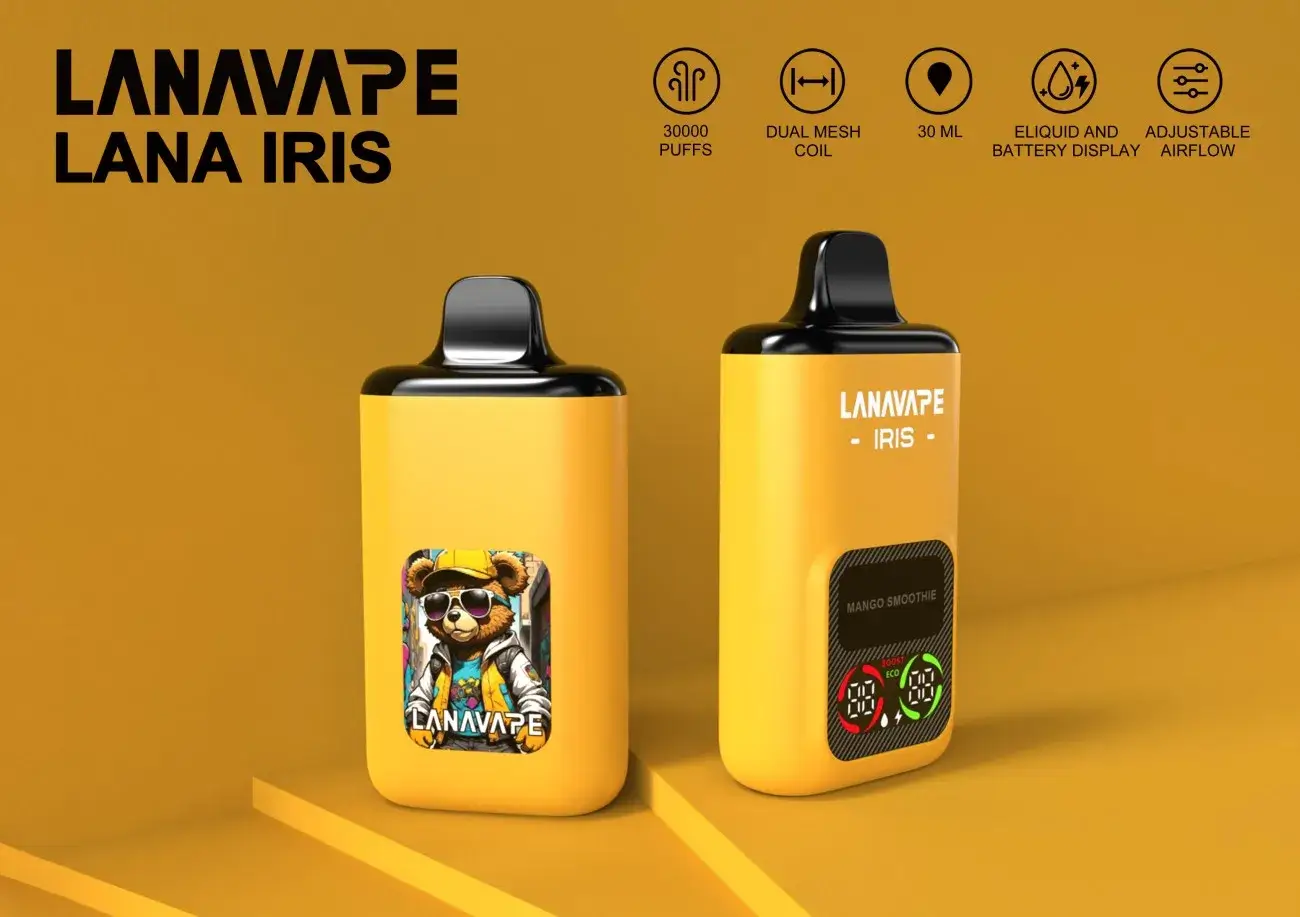
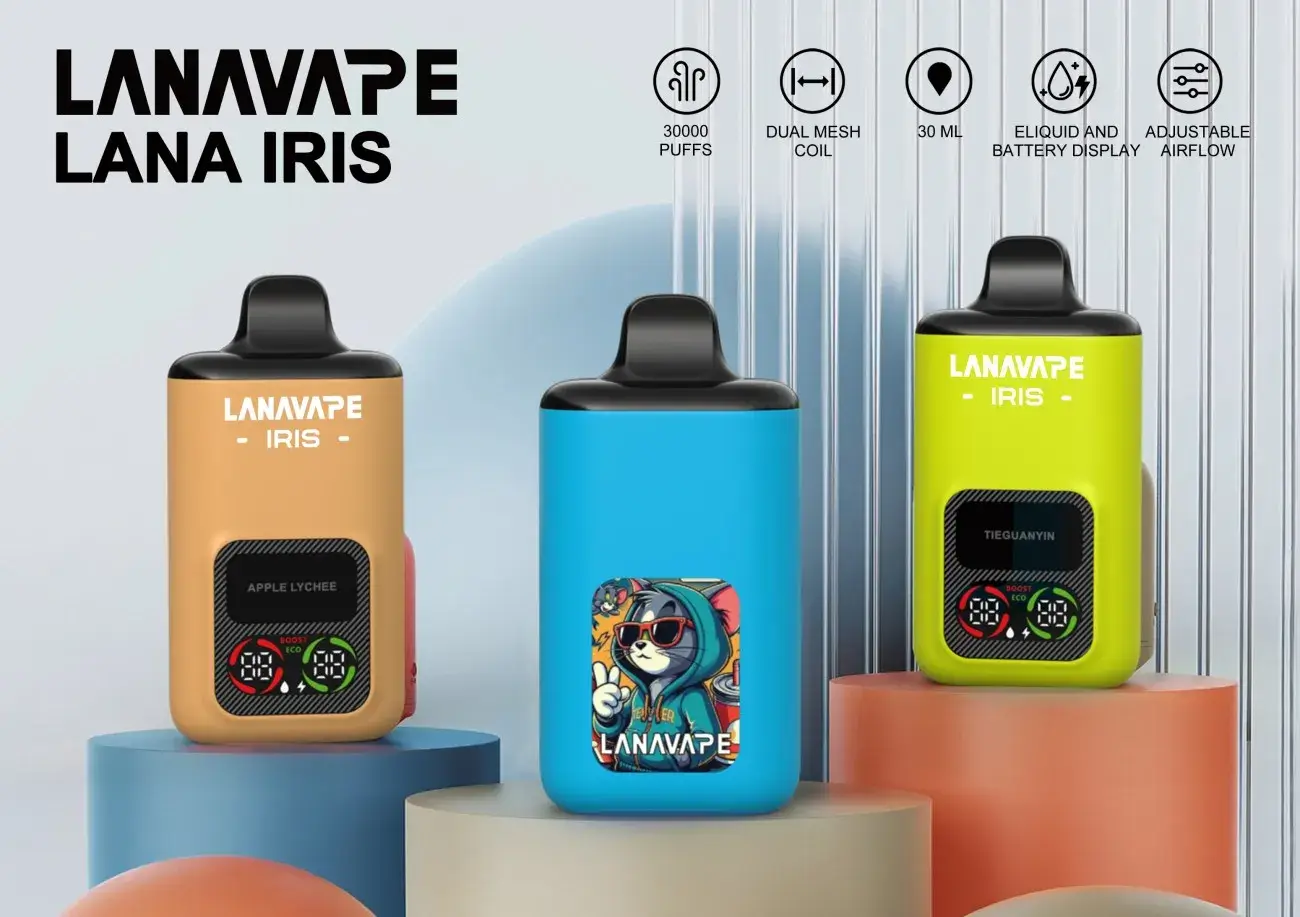
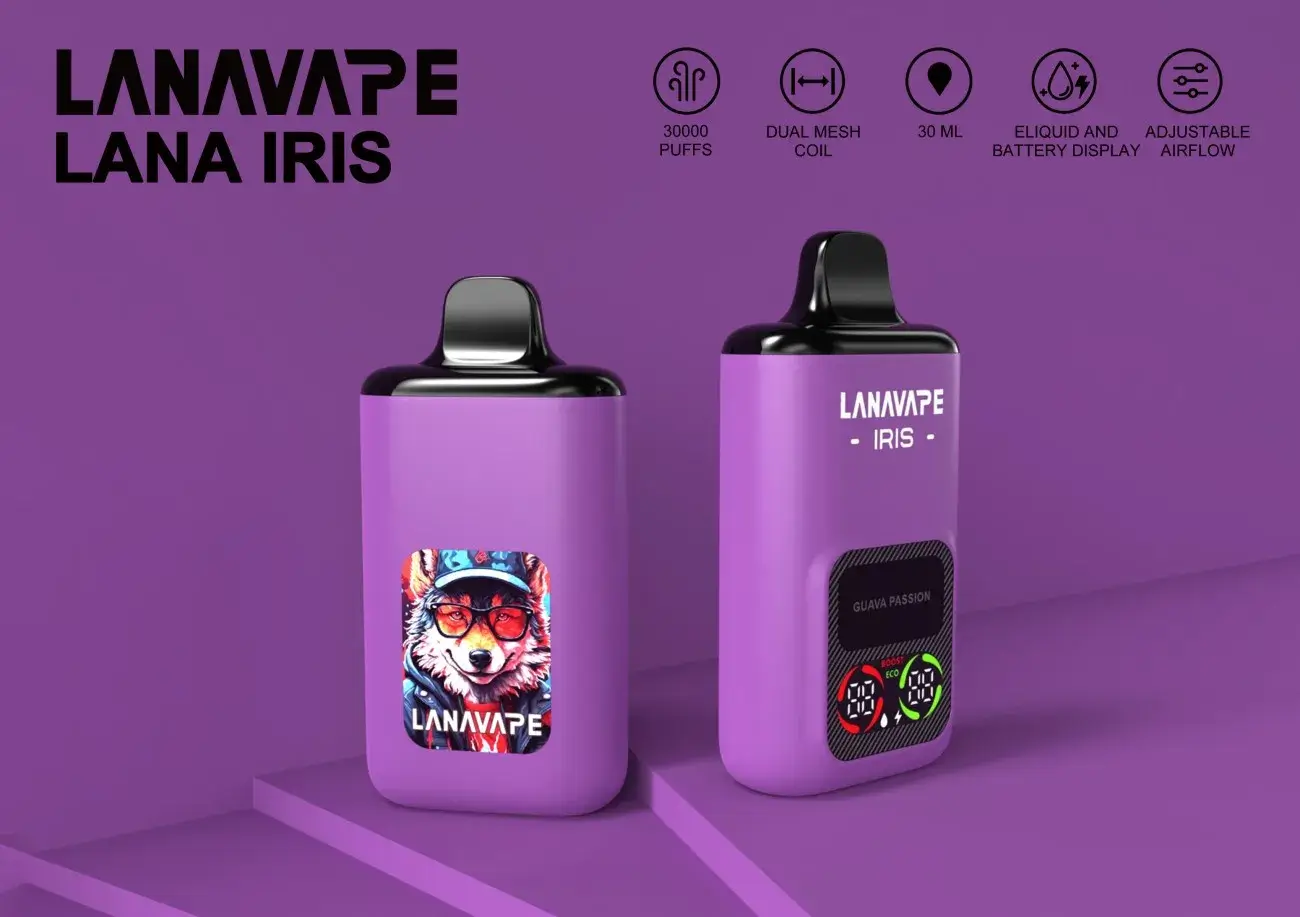
Vapes can explode, but the probability is very low. Reviewing past accident reports, cases of "sudden explosion during normal use" are almost nonexistent—the underlying causes are almost always: poor battery quality, incorrect charger, device damage from drops, or prolonged exposure to high temperatures.
Reputable brands put their devices through rigorous safety testing before they ever reach your hands — so the product itself isn't the problem. More often than not, the real risks come down to small habits most people don't think twice about.
Here's a closer look at why vapes explode, and what you can actually do to prevent it.
Why Do Vapes Explode?
The core component of a vape is a vape battery. Lithium batteries are stable under normal conditions, but once the internal temperature exceeds the safe range, it triggers battery overheating—the temperature continues to rise rapidly, accompanied by gas expansion and electrolyte vaporization, ultimately leading to fire or explosion. The following six situations are the main causes that trigger this process.
1. Inferior or Fake Batteries
Low-priced imitations and modified devices commonly use non-standard vape batteries, lacking basic protection circuits such as overcharge, over-discharge, and short circuit protection. They also often have issues like falsely advertised capacity and abnormal internal resistance.
Under high-load discharge, these batteries are far more prone to runaway than genuine products. This is the root cause of most explosion accidents.
2. Wrong Chargers
Vape batteries have rated charging voltage and current ranges. Directly charging with a mobile phone PD fast charger, exceeding the input limit, will cause the battery to operate at a continuously high temperature.
This damage is cumulative: no abnormalities are visible in the short term, but in the long term, it accelerates aging and gradually approaches the safety limit.
3. Short Circuit
Keeping keys, coins, and vapes in the same pocket allows metal objects to simultaneously contact the battery's positive and negative terminals, instantly creating a large current and generating a large amount of heat in a short time.
These accidents often occur without warning but can be completely avoided by storing them separately.
4. Continuing to Use Damaged Vape Devices
Drops, water damage, casing deformation, abnormal overheating during charging—these are all signs that the device should be discontinued.
Internal battery damage doesn't always show on the outside. Damaged insulation and hidden short circuits may already be present, while the device may still appear functional.
Continuing to use it with a sense of complacency is a direct cause of many accidents.
5. Heat exposure
Summer temperatures inside a closed car may exceed 60°C. Under these circumstances, the chemical stability of lithium batteries significantly decreases, aging accelerates, and the probability of swelling and battery overheating increases dramatically.
The same applies to windows exposed to direct sunlight and high-temperature outdoor environments.
6. Vape modding
To change the battery compartment, nebulizer, or internal wiring often compromises the original safety design, damages the insulation layer, and creates a hidden risk of short circuits.
These risks may be completely undetectable during editing but suddenly appear later during use.
How to Prevent Vape Explosions?
The logic here is straightforward: control the risk at the source, build better daily habits, and know when to walk away from a vape that's no longer safe. Get these three things right, and you've covered most of what actually causes accidents.
1. Start With the Right Vape
Buy from reputable brands — don't cut corners on price. Established manufacturers build proper protection circuits into their vapes: overcharge, over-discharge, and short circuit protection. Cheap knockoffs skip all of that. Whatever you save upfront isn't worth the tradeoff.
Don't mod your vape. The moment you alter the internal structure, you're undermining the safety design it shipped with. It might look fine afterward — but the risk is already there.
2. Use It Correctly Every Day
Use a matching charger. Stick with the original accessories or a certified charger with the right specs. High-power fast chargers aren't designed for vape batteries and put them under stress they weren't built to handle.
Store your vape separately. Keys and coins in the same pocket is a short circuit waiting to happen. Keep it on its own, or use a dedicated pouch.
Keep it away from heat. Don't leave your vape in a hot car or in direct sunlight for extended periods — heat alone can push a lithium battery into unstable territory.
Stay nearby while charging. If you notice unusual heat, an odd smell, or any swelling — unplug immediately. A swollen battery means the internal chemistry has already gone wrong. Don't wait and see.
3. Know When to Stop Using It
Some situations call for an immediate stop, no second-guessing:
- The vape has been dropped or taken a hard impact
- It's been exposed to water or moisture
- The casing is deformed or cracked
- It runs abnormally hot while charging
- The battery is visibly swollen
Internal damage doesn't always show on the surface. A vape that still powers on can be hiding serious structural damage inside. If any of the above applies, retire the device — don't talk yourself into continuing.
Conclusion
Every vape explosion has a cause — and most of those causes are avoidable. The danger usually isn't the device itself, but the habits built up around it over time.
Get the right device, charge it correctly, store it safely, and don't hold onto something that's damaged. That's the whole formula.


