






 Back
Back
 Share:


 Back
Share:
Back
Share:






Vapes have become a go-to for a lot of people over the past few years — compact, available in tons of flavors, and easy to use anywhere. But plenty of users have noticed that after a few puffs, they're dealing with dizziness, headaches, a scratchy throat, dry mouth, or even a faster heartbeat.
Just a short session, and your body's already reacting — what gives? Most of the time, the vape device itself isn't the direct cause. It usually comes down to the e-liquid ingredients and how your body responds to them. Here's a breakdown of what's actually happening, and how to keep it from ruining your experience.
Why Does Vaping Give You a Headache?
Headaches from vaping rarely have a single cause — it's usually a few things hitting at once.
Too much nicotine
Nicotine from vapes gets absorbed faster than from traditional cigarettes, especially with high-strength nicotine salt devices. Taking in too much in a short window causes blood vessels to constrict, which can trigger headaches, dizziness, and mild nausea. New vapers and chain vapers tend to feel this the most.
Dehydration
Propylene glycol (PG) in e-liquid is hygroscopic — it draws moisture out of your mouth and airways. That dry mouth and scratchy throat you feel after vaping? That's mild dehydration setting in. And mild dehydration is one of the most common headache triggers out there.
Sensitivity to e-liquid ingredients
Some people react to PG, vegetable glycerin (VG), or flavoring compounds, which can show up as throat irritation or headaches. Switching to a new flavor or a different device can sometimes trigger this.
Poor vaping habits
Vaping on an empty stomach, taking long deep inhales back-to-back, or running your device at too high a wattage — causing the coil to overheat — all make these issues worse and significantly raise the odds of getting a headache.
Vaping Headaches vs. Smoking Headaches — What's the Difference?
Both can cause headaches, but the mechanisms are pretty different.
Traditional cigarettes produce carbon monoxide and tar when burned. CO reduces your blood's ability to carry oxygen, leading to mild oxygen deprivation. The headache tends to be a heavy, dull pressure — the kind that builds up after long smoking sessions or in poorly ventilated spaces. It's more of a chronic, cumulative problem.
Vaping has no combustion, so headaches come primarily from nicotine hitting too fast or dehydration. The onset tends to be quicker and more acute — especially noticeable after chain vaping or using high-nicotine e-liquid. The side effects also feel different: smokers' headaches often come with chest tightness and fatigue, while vaping headaches tend to pair with dry mouth, throat irritation, and mild nausea.
The biggest practical difference is that vaping headaches are largely avoidable. Drop your nicotine strength, vape less often, or try an e-liquid with a higher VG ratio — small adjustments that actually make a difference. With cigarettes, the combustion process is fixed, so the triggers are a lot harder to work around.
How to Prevent Headaches from Vaping
The good news is that most vaping-related headaches are preventable. Here's what actually helps:
Drop your nicotine strength
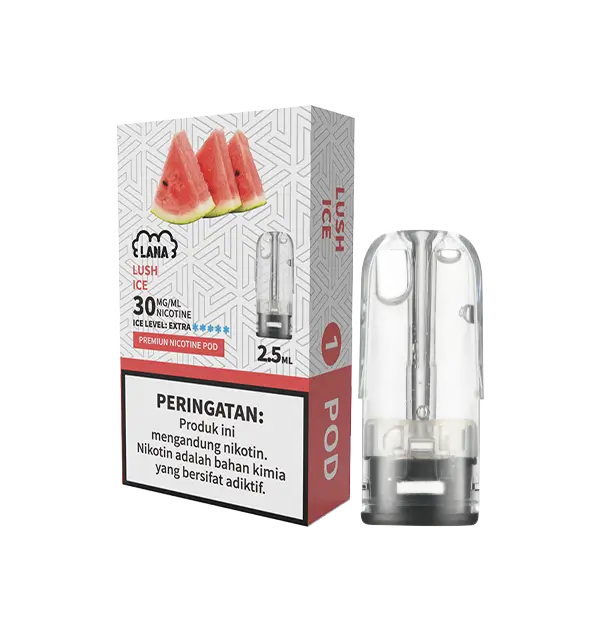
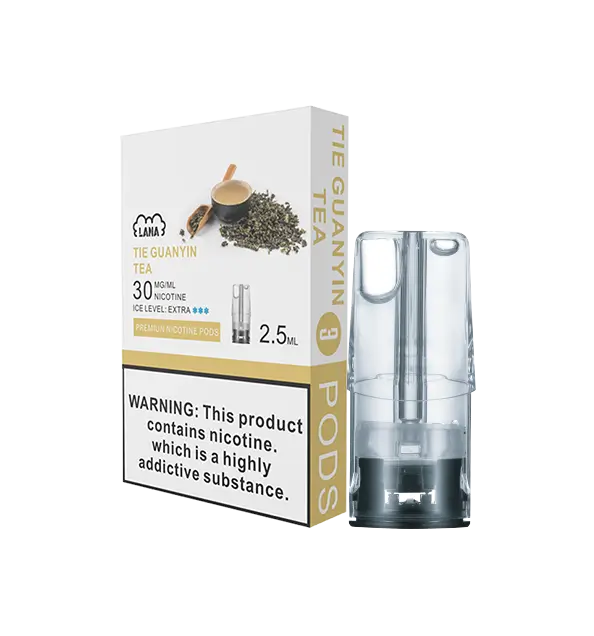
If you're using a 30mg or 50mg nicotine salt, that's the first thing to adjust when headaches appear. Step down to 20mg or lower, or just reduce how many puffs you're taking in one sitting. Most headache cases trace directly back to taking in too much nicotine too quickly.
Slow down your sessions
Avoid chain vaping and give your body time to process the nicotine. If you're new to vaping, try spacing out your puffs — wait a few minutes between hits rather than inhaling one after another.
Drink more water
PG pulls moisture from your mouth and airways, and staying hydrated is one of the easiest fixes that people consistently overlook. It makes a real difference for both dry mouth and low-grade headaches.
Adjust your PG/VG ratio
If you suspect you're sensitive to PG, try switching to a high-VG e-liquid — something like 70VG/30PG. Higher VG blends tend to be smoother, with less throat hit and a lower chance of irritation-related headaches.
Don't vape on an empty stomach or when you're tired
Nicotine absorbs faster when your stomach is empty, which amplifies how it hits. Low sleep has the same effect — this comes up constantly in user feedback.
Use the right device settings
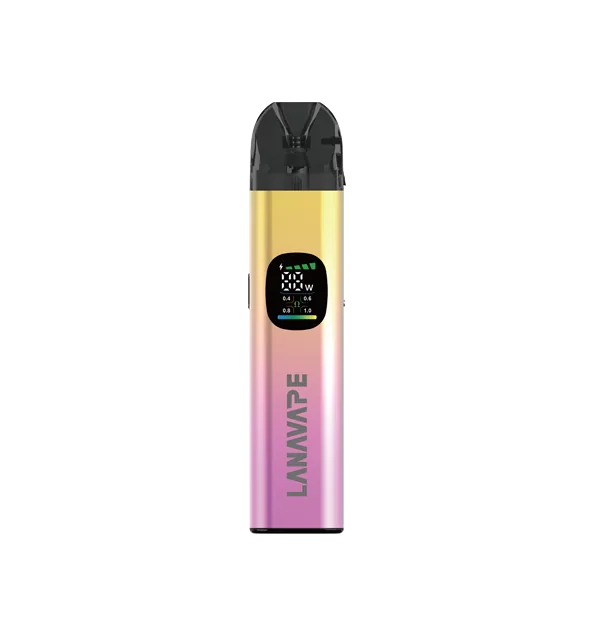
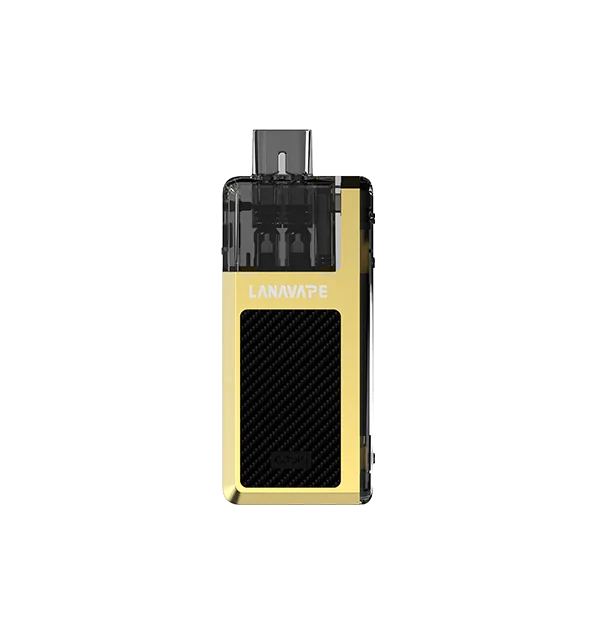
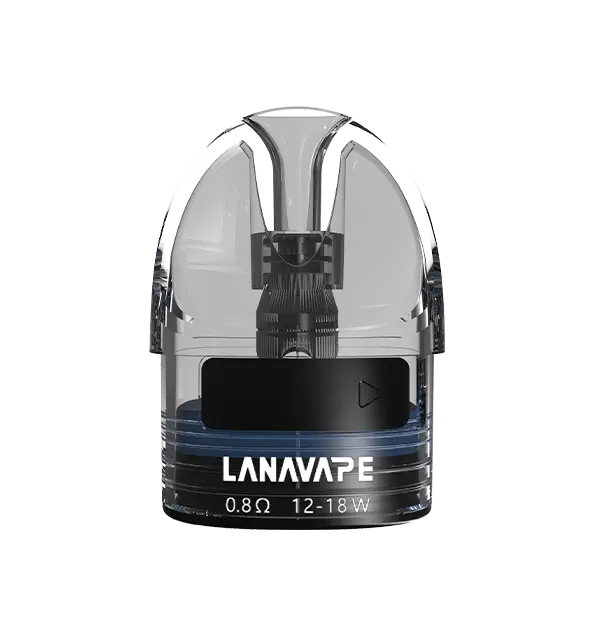
High wattage and an overheated coil can spike nicotine delivery and make the vapor harsher than it needs to be. Check what wattage your pod or coil is rated for and stay in that range — pushing it harder than it's built for just makes everything worse.
FAQ:
Q1: I got a headache after vaping — is it nicotine poisoning?
Not necessarily. But if headaches keep coming back, it's usually a sign of too much nicotine — either your pod has too high a nicotine strength, or you're vaping too frequently. Take a break and drink plenty of water.
Q2: Why do beginners get headaches from vaping?
Two main reasons: new vapers tend to take harder, deeper hits, so nicotine hits the system too fast. Also, the PG/VG in e-liquid absorbs moisture, which can dry out your mouth and throat — and dehydration is a common headache trigger.
Q3: Can you still get a headache from 0mg nicotine-free vape juice?
Yes. PG and VG are both humectants, meaning they pull moisture from your mouth and airways during extended use. Some users also have mild sensitivities to certain flavorings. Stay hydrated and see if that helps.
Q4: How long does a vaping headache last?
For most people, headaches ease up within 1–4 hours after stopping or cutting back. If you've already switched to a lower nicotine strength and the headaches are still there after two days, it's worth seeing a doctor.
Q5: Will switching to a lower nicotine strength fix the headaches?
In most cases, yes. Dropping from 5% down to 3% nic — or lower — smooths out how nicotine enters your system, which reduces the chance of headaches. If you've been on high-strength pods for a while, this is the first thing worth trying.


