




 Back
Back
 Share:


 Back
Share:
Back
Share:




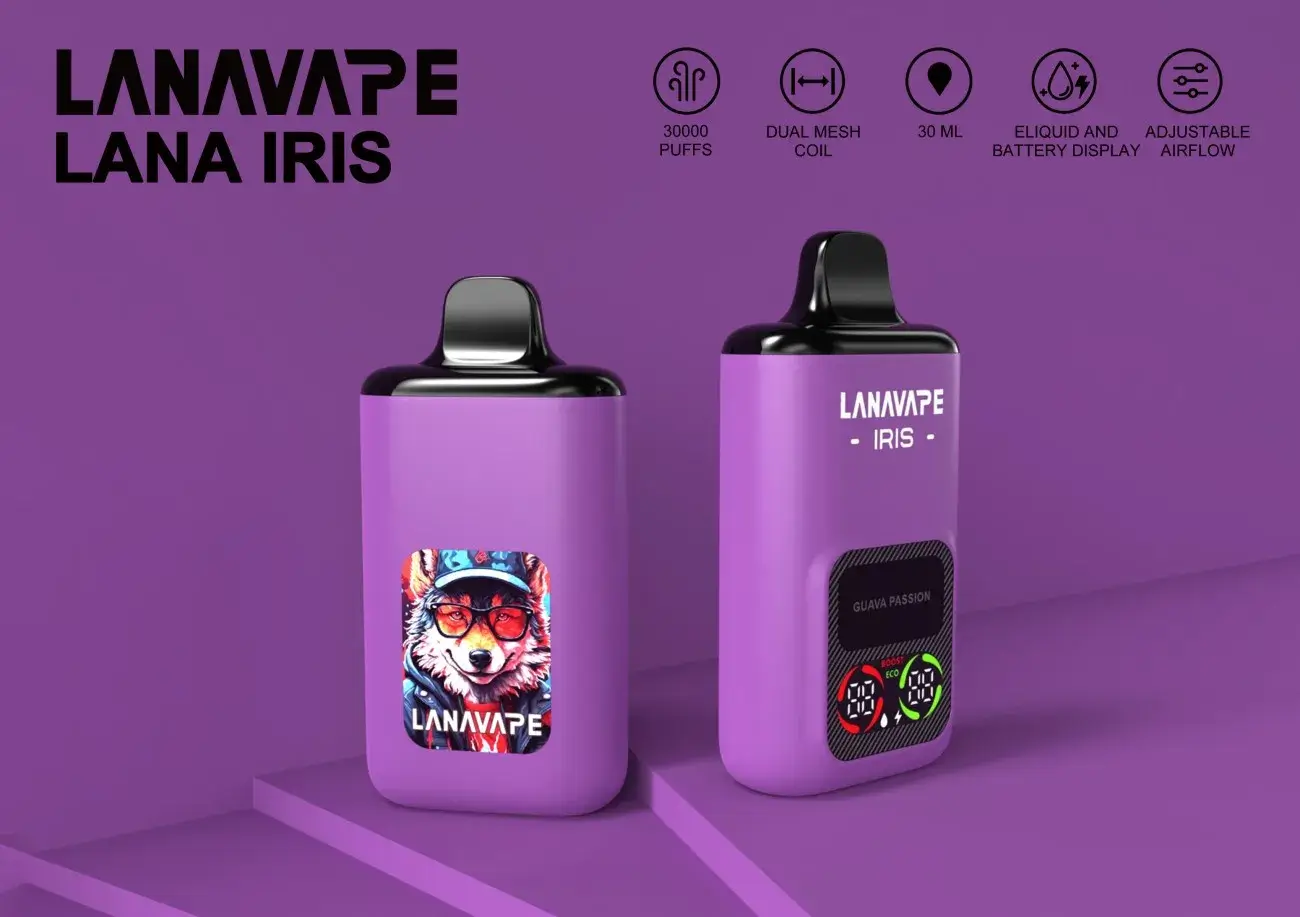
Vapes are widely used as an alternative to smoking, but most vapes contain nicotine. People who attempt to quit smoking often choose nicotine-free vapes, are they safe? In general, they are considered less harmful than smoking and are a preferred alternative for those trying to quit.
What is Nicotine-Free Vapes?
The vape juice of nicotine-free vapes is primarily composed of propylene glycol (PG), vegetable glycerin (VG), and flavorings. When heated, it produces vapor similar to regular vapes but contains no nicotine.
The main appeal of these products is that they’re non-addictive. You still get the throat hit, the flavor, the vapor — everything that makes vaping feel like vaping — just without the nicotine going in.
That's why people reach for them in different situations. Some are trying to cut back and want something to bridge the gap. Some just like the experience but don't want the dependency that comes with it. Others vape socially and prefer to keep it casual — no substance, just the act. It's simply a vape with nothing addictive in it.
Are Nicotine-Free Vapes Safe?
Nicotine-free vapes have a much lower risk of addiction—they contain no nicotine, do not directly cause dependence, and do not exacerbate existing nicotine addiction problems.
However, "nicotine-free" does not equal "100% safe." The vaporization process still produces aerosols, in which propylene glycol, vegetable glycerin, and flavorings are inhaled after heating. The long-term health effects are not fully known. Furthermore, device temperature, e-liquid quality, and usage frequency all affect what you actually inhale—low-quality products may produce irritating byproducts at high temperatures, increasing the risk of respiratory discomfort.
Therefore, a more accurate conclusion is that nicotine-free vapes have a lower risk of addiction, but uncertainties remain regarding effects on the lungs, and they cannot be simply equated with safety or harmlessness. They are more of an alternative for reducing nicotine use than a zero-risk product in a health sense.
Nicotine-Free Vape Benefits
Lower Addiction Risk
Completely nicotine-free, they will not create or reinforce dependence. For those gradually reducing their intake, it is easier to control usage frequency and avoid a cycle of "the more you smoke, the more you need."
Similar Vaping Experience
Through the combination of PG and VG with flavorings, they are similar to regular vapes in terms of throat hit, vapor production, and draw resistance, allowing users to enjoy a relatively complete experience without nicotine.
More Flexible Use
If you don't want anything addictive but still want something to do with your hands at a party or during a stressful stretch, that's exactly what this is for. No nicotine, same ritual.
Helps You Quit Nicotine
When you're down to the lowest nicotine level and not sure what to do next, the nicotine-free version gives you a way out that doesn't feel like cold turkey. You keep the habit, just without the substance driving it.
Who Should Use Nicotine-Free Vapes?
People trying to quit nicotine
Users who have already used nicotine-containing vapes or traditional cigarettes and wish to gradually reduce their intake can use it as an alternative in the final reduction phase, cutting off nicotine intake while maintaining their smoking habit.
People who want a vape without nicotine
These individuals may not have a smoking history but are interested in the inhalation experience and taste, while wanting to avoid the dependence risks associated with nicotine.
People addicted to the habit of smoking
Some users depend on the actions themselves, such as hand gestures, inhalation rhythm, and oral habits, rather than the nicotine stimulation. Using nicotine-free vapes allows these individuals to maintain their existing habits without increasing the risk of addiction.
People sensitive to nicotine
If you've noticed your heart racing after a vape session, or you've been lying awake longer than usual, nicotine is a likely culprit. For people who react this way, switching to a nicotine-free product cuts out the source of those symptoms without changing much else about the experience itself.


