



 Back
Back
 Share:


 Back
Share:
Back
Share:


Does Vaping Have Calories? The answer is yes, but very few.
Many people have experienced this: while controlling their weight, after exercising, or having started a serious weight loss journey, they casually take a few puffs of a vape during a break. The fruity flavor and sweet taste immediately make them nervous—will this ruin my weight loss journey?
Actually, there's no need to be so anxious.
Where Do Calories in Vapes Come From?
Common vape ingredients mainly include the following:
- Propylene glycol (PG)
- Vegetable glycerin (VG)
- Nicotine
- Vape Flavors
- Water
When using a vape, the e-liquid is heated and vaporized for inhalation. The reason some people mention "vapes contain calories" isn't due to nicotine or vape flavors, but rather the vape juice's base liquid itself.
Propylene glycol (PG) and vegetable glycerin (VG) are both sugar alcohols, and theoretically, they can provide energy. VG, in particular, has a slightly natural sweetness, which is why many vapes, even those that are sugar-free, still taste sweet.
In contrast, vape flavors are present in very low proportions in e-liquid, and their impact on overall calories is negligible; nicotine and water themselves do not produce calories and do not increase energy intake.
In short, the reason vapes are considered to contain calories is not because of added sugar, but because of the theoretical calories from the VG and PG base liquids.
Vaping Calorie Calculator: How Many Calories in a Puff?
1 ml vape juice = approximately 4–5 calories
This is a theoretical estimate based on the vape juice components.
1 puff of vape = approximately 0.005–0.01 calories
A normal puff consumes only a very small amount of e-liquid, with negligible calories.
50 puffs of vape = approximately 0.25–0.5 calories = about the size of a small piece of sugar-free gum.
Even with continuous use, there is no significant calorie burden.
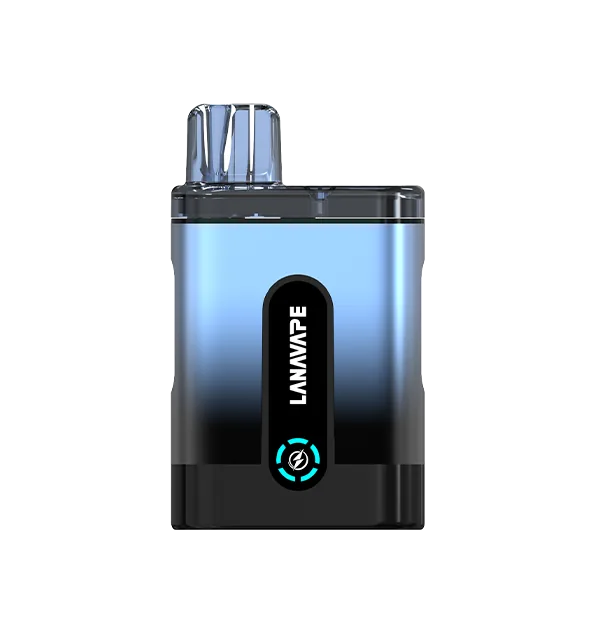
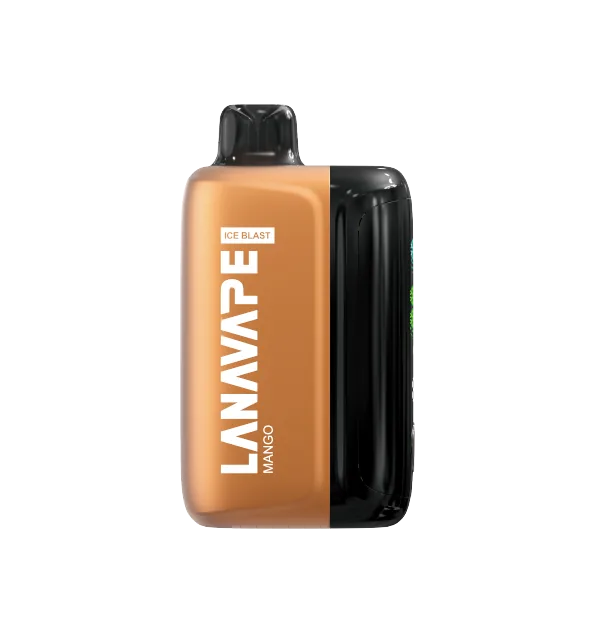
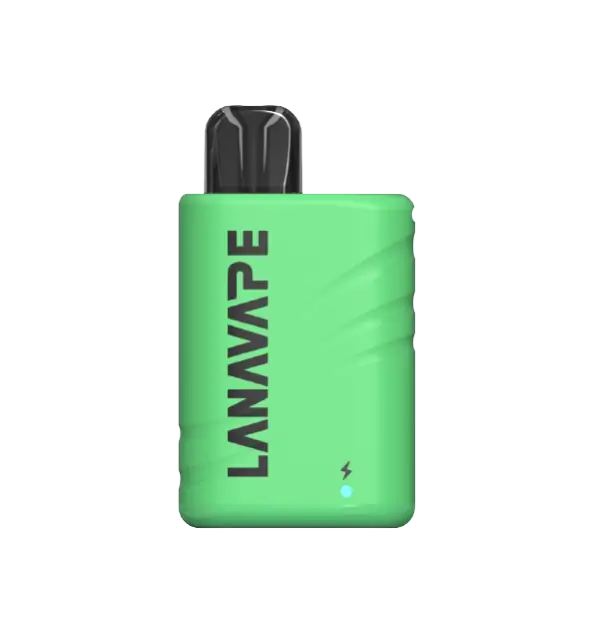
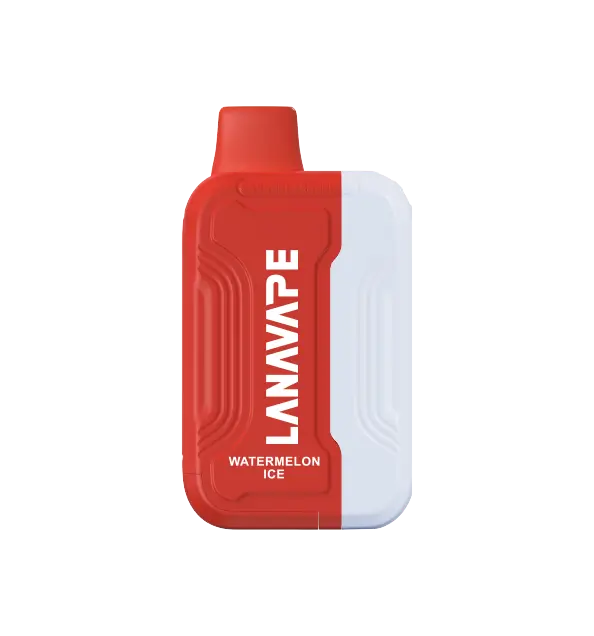
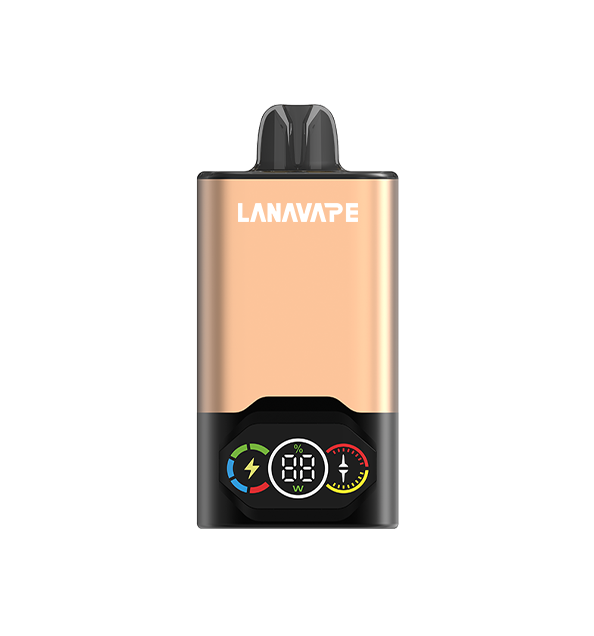
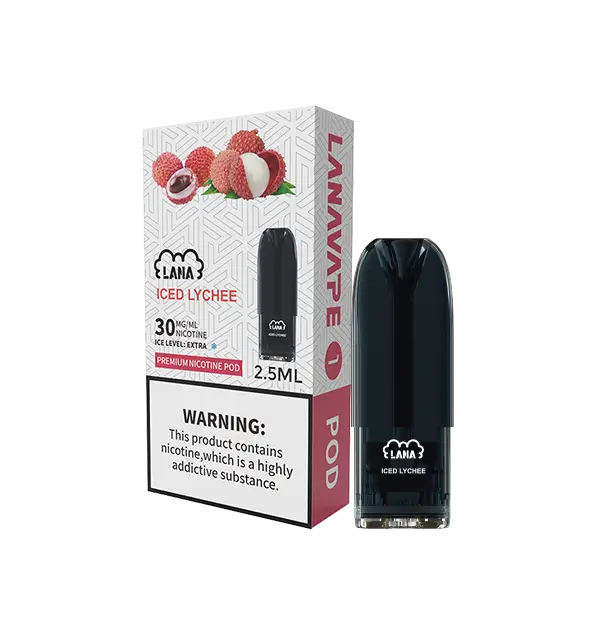
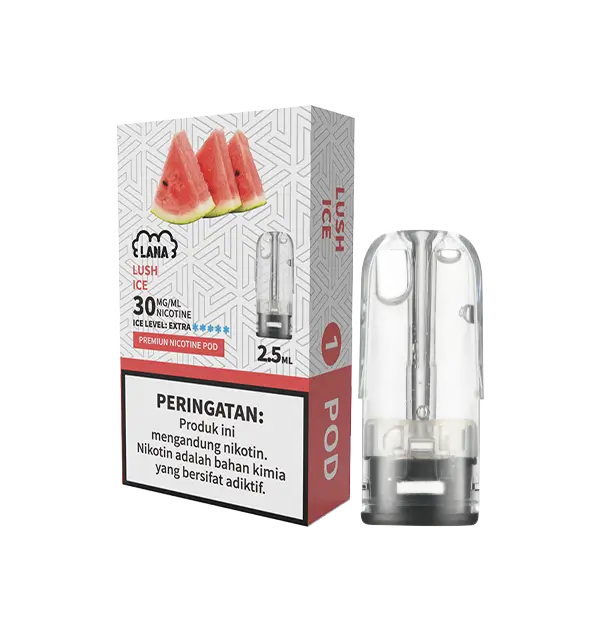
Lana Pix Disposable Vape (15 ml / up to 20,000 puffs) = theoretical total calories approximately 60–75 calories
These calories are not ingested all at once, but spread over multiple days of use:
Average daily calories = within a few calories = negligible impact on weight
Vape vs. Soda: Comparing Calories in Vaping and Drinks
If you compare the calories in vapes to those in your daily diet, the difference is quite striking.
A 330 ml can of cola ≈ 140 calories.
To theoretically obtain the same amount of calories through vaping, one would need to consume approximately 28-35 ml of vape juice. For most users, this is virtually impossible in real-world use.
Consider coffee, a daily beverage for many.A Starbucks latte with sugar and milk typically contains over 300 calories. Even if you used vapes all day, the theoretical calories generated would be far less than one-tenth of what the milk foam and syrup in that coffee provide.
From this perspective, what we should really be wary of are sugary drinks, sweet coffee, and milk tea.
In comparison, the calories from vaping are more of a theoretical construct than a real-world calorie burden.
Does Vaping Break a Fast or Cause Weight Gain?
Simply put, no.
The key reason is that the way the body absorbs vapes is completely different from how we eat. The lungs are not a stomach; most of the vapor produced by vapes is exhaled after inhalation, and the proportion actually absorbed by the body and converted into energy or fat is very small. Many users ask, "Does vaping break a fast?" Technically, the calories are negligible and typically won't spike insulin levels.
In addition, nicotine itself has some effect on appetite and metabolism. It serves as a nicotine appetite suppressant and may slightly increase basal metabolic rate, which is why some people are more likely to gain weight after quitting smoking or vaping—not because they've stopped vaping and have fewer calories, but because their sense of taste returns, their appetite improves, and their overall intake increases.
In short
Vapes do contain a small amount of calories, but this amount is extremely small and almost negligible.
If you are controlling your weight or have a weight loss plan, don't worry that vapes will interfere with your efforts. In fact, nicotine itself has a certain appetite-suppressing effect and can slightly increase metabolism, theoretically even potentially helping with weight control.
Overall, the calories consumed through vaping are far fewer than most people imagine and have virtually no impact on burning fat.


