




 Back
Back
 Share:


 Back
Share:
Back
Share:
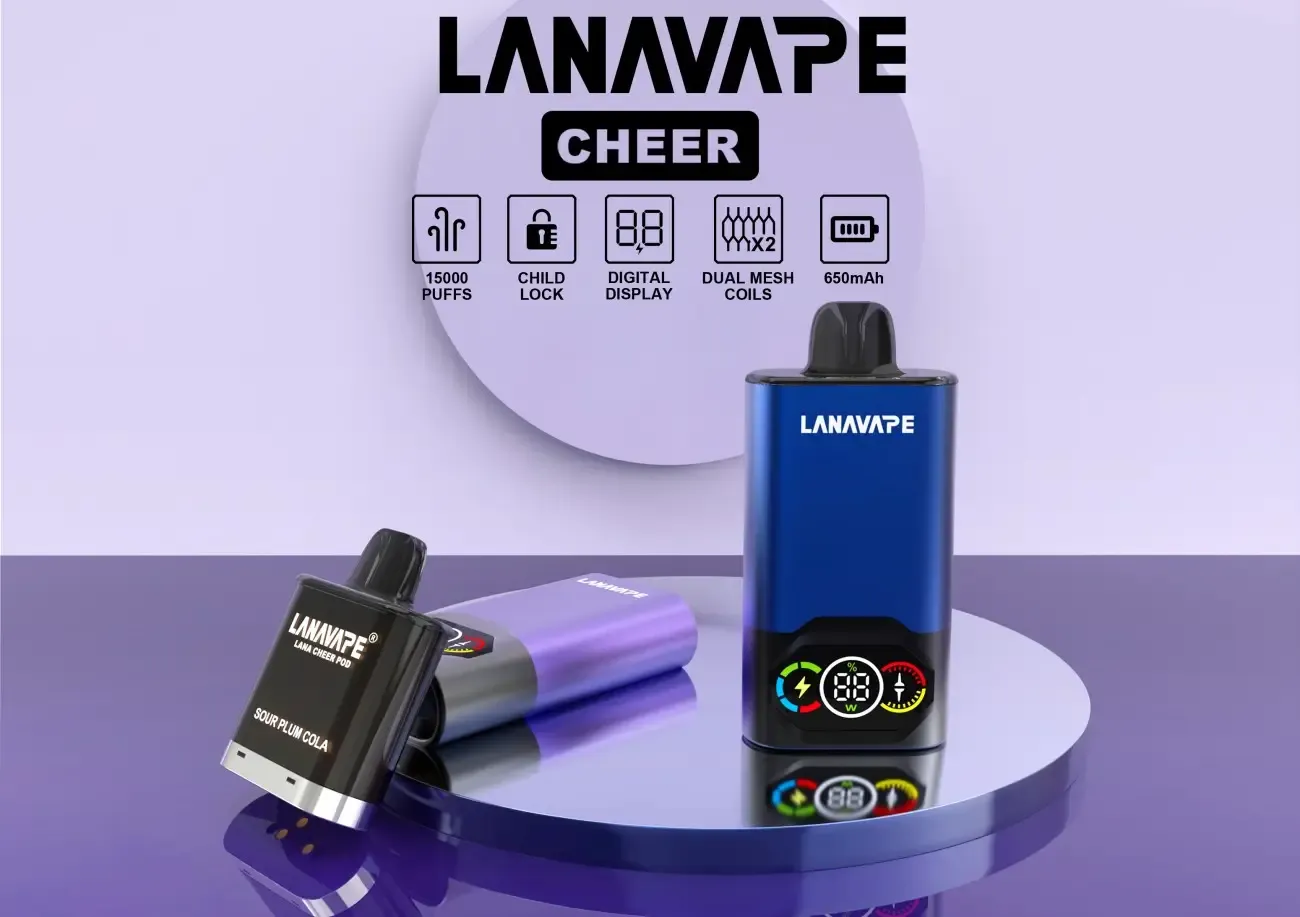
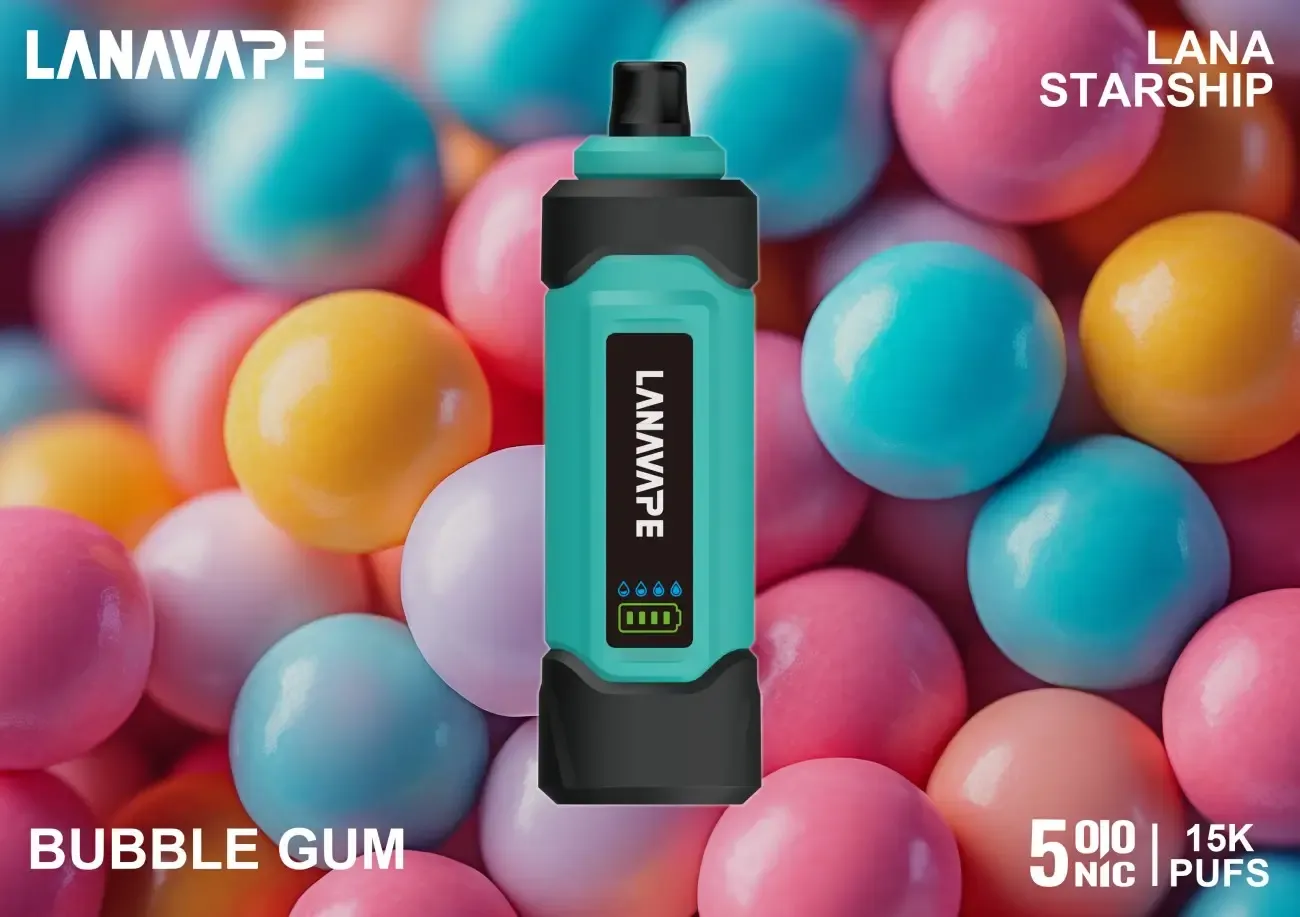
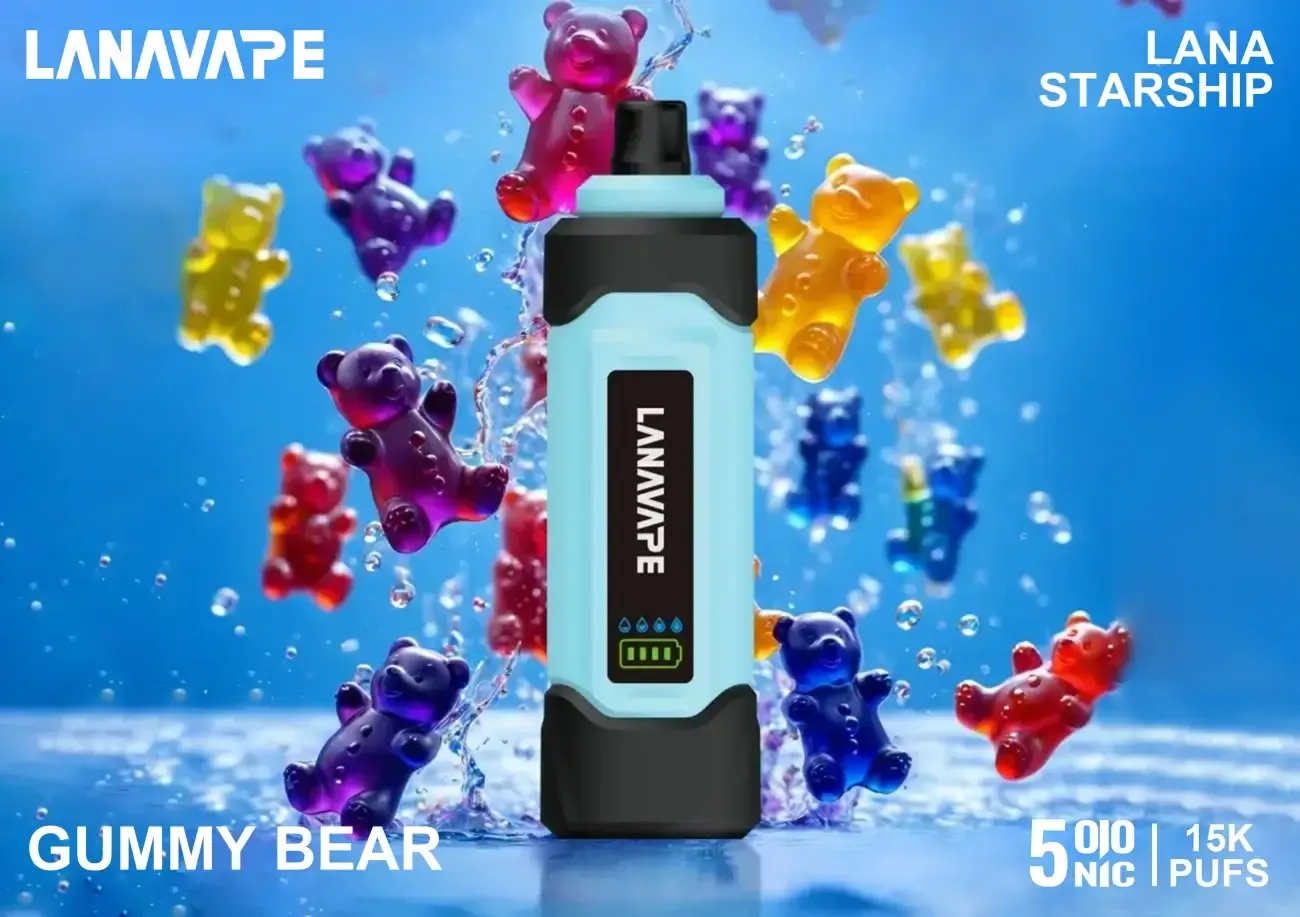
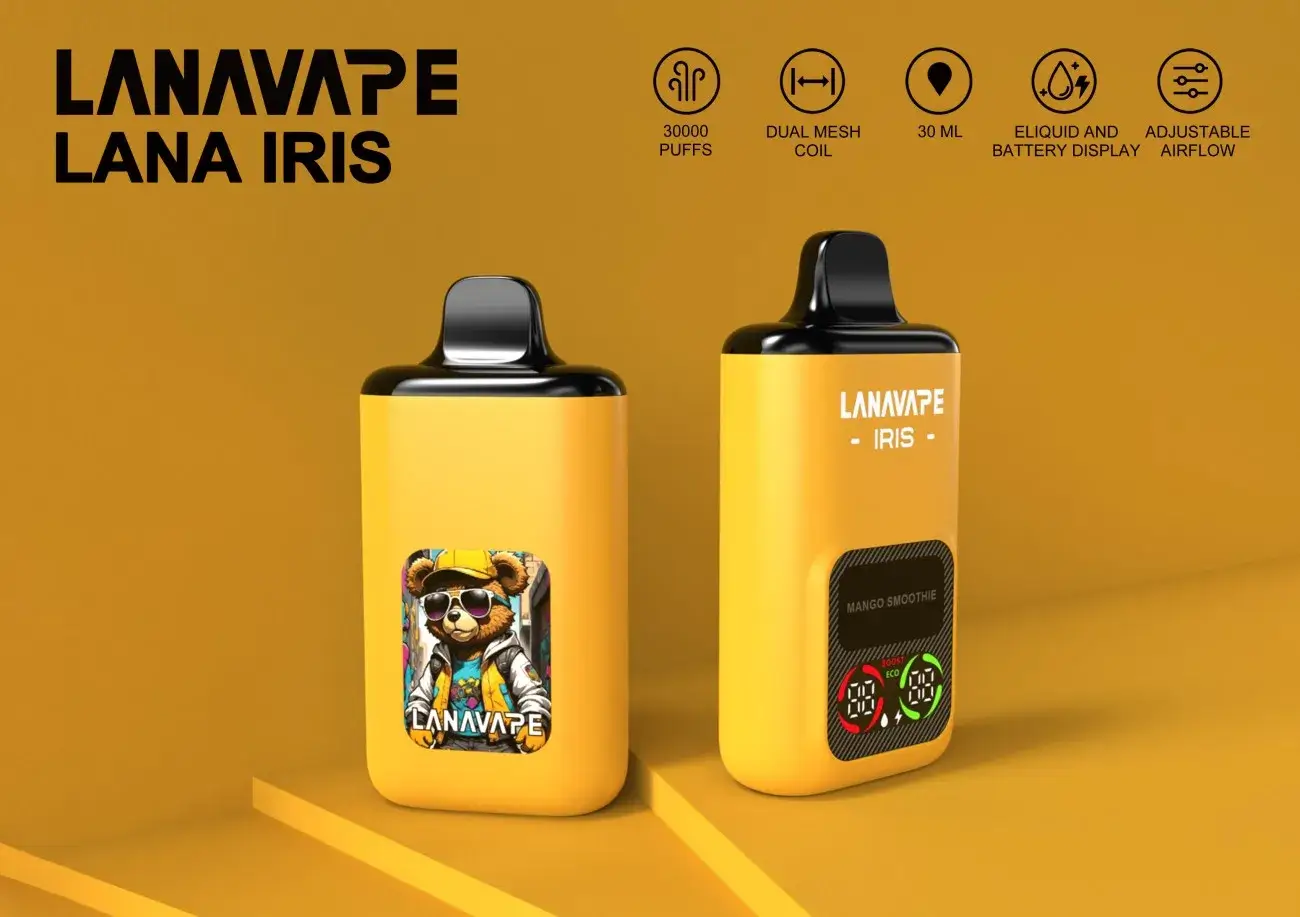
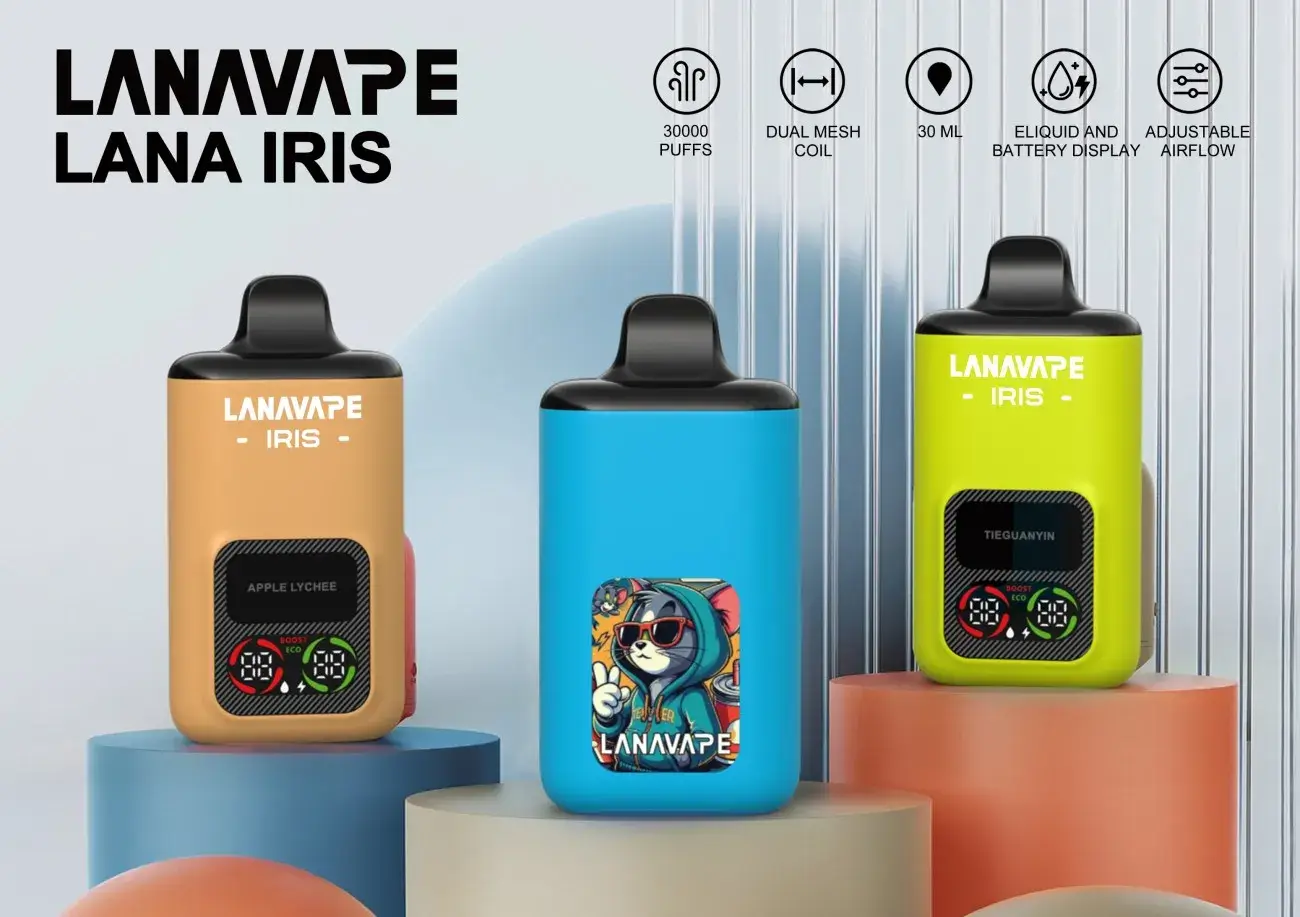
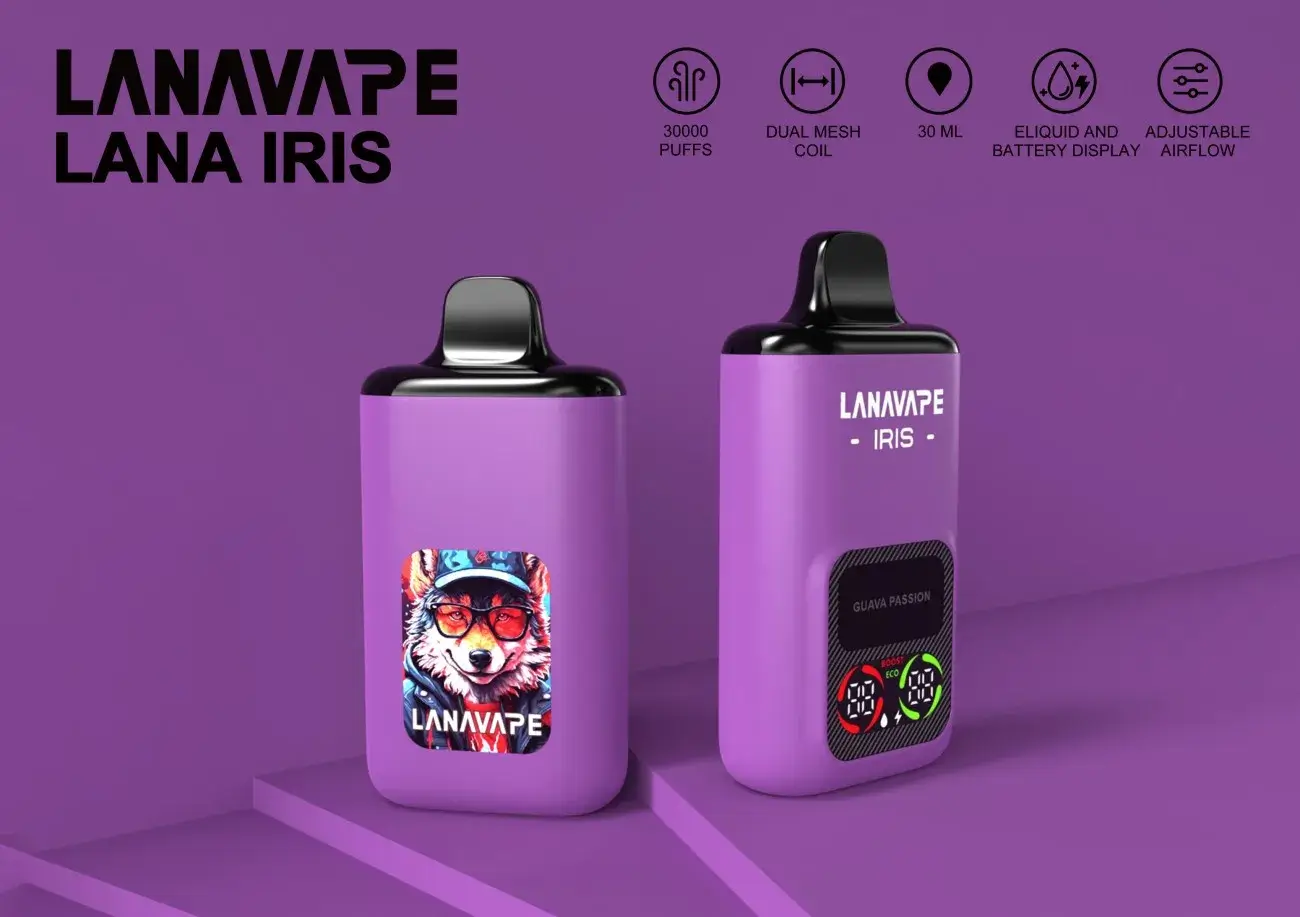
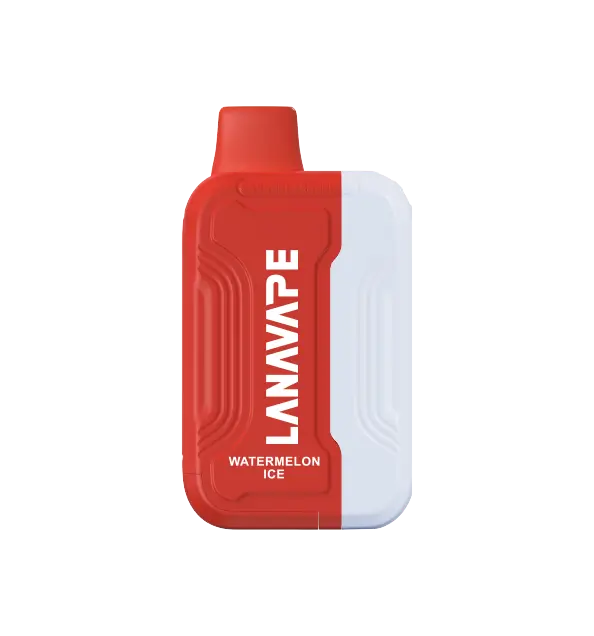
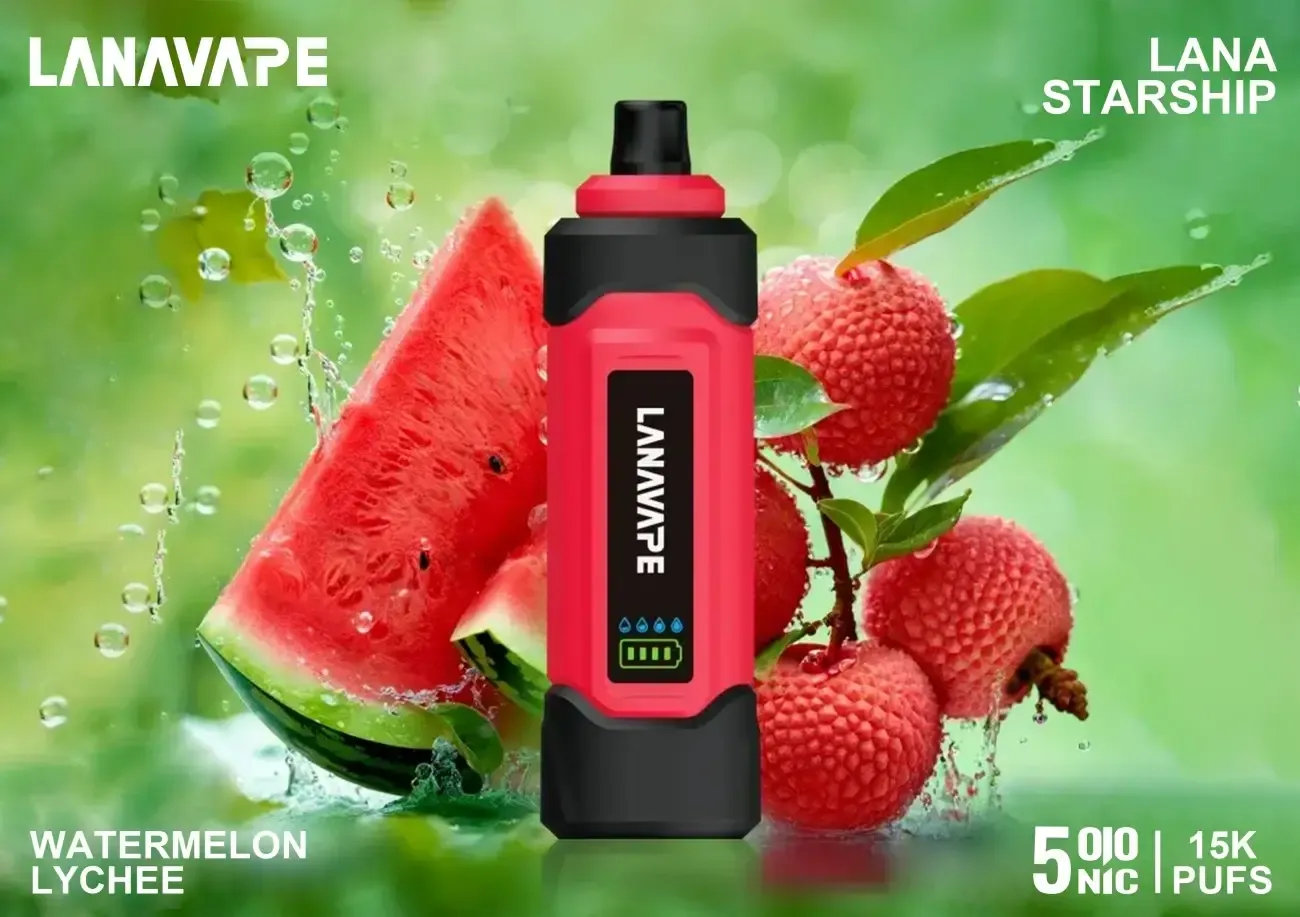
When you first try a fruit-flavored disposable vape, you might be surprised by its "sweet taste." Flavors like watermelon, blueberry, and mango smell sweet and taste like freshly cut fruit, even leading you to wonder if sugar has been added. Watermelon, in particular, has a noticeable sweetness from the first sip, making you wonder: will this sweetness raise blood sugar like a beverage?
But the truth is, the sweetness in vapes doesn't come from sugar.It contains no sucrose or fructose and doesn't affect blood sugar levels like real sugar.So why does it taste so sweet without any added sugar? How do vapes create this fruity sweetness?
Read on, and I'll clarify all your questions.
Do vape juice contain sugar?
Most vape juice actually does not contain real sugar. Ingredients like sucrose, fructose, and glucose, which raise blood sugar levels, are virtually nonexistent in reputable vape products.
While many flavors—such as mango ice, strawberry, cotton candy, and grape—taste as sweet as real fruit juice, this sweetness comes not from sugar, but from vape juice sweeteners.
Why don't vape manufacturers add sugar?
Real sugar will directly caramelize, produce carbon deposits, and clog the vape coil at high temperatures. This not only makes the flavor burnt but also significantly reduces the vape coil's lifespan. Imagine if the coil were clogged with sugar—the flavor would immediately deteriorate, the vaping experience would be unpleasant, and the entire experience would be ruined.
Therefore, reputable manufacturers do not add sugar to vape juice.In other words—even if your vape tastes as sweet as dessert, it still contains no real sugar.
What Are E-Liquids Made Of?
The reason vapes produce vapor, various flavors, and that satisfying throat hit is due to the combined action of the following core components:
Vegetable Glycerin (VG)
VG is a transparent liquid extracted from plants, with a slightly sweet, natural flavor. However, this sweetness is completely different from sugar and will not raise blood sugar levels.
Its primary function is to produce a thick, smooth vapor when heated. That soft, dense vapor is what VG provides. Higher VG content generally results in a fuller vapor.
Propylene Glycol (PG)
PG is a food-grade solvent primarily responsible for "transporting flavors." It has almost no sweetness but makes the flavor clearer and cleaner.
Think of PG as a "transmitter," accurately delivering various aromas to your nasal cavity and taste buds, making every puff closer to the original flavor.
Vape Flavors & Sweeteners
This is the core of vape flavors. Flavors like blueberry, watermelon ice, and peach ice aren't made with real fruit, but rather blended using vape flavors.
Most of the sweetness in vapes comes from sweeteners like sucralose, not the sugar we usually think of. These sweeteners are stable when heated and don't caramelize, making them ideal for vape juice.
Why Don't Vapes Use Sugar?
While sugar provides a natural sweetness to food and drinks, vapes can't use it directly. The reason is simple:
Sugar caramelizes and burns at high temperatures.
Once heated, sugar turns into caramel and can even char. It's like putting a piece of sugar on a fire; it quickly turns into a blackened mess. This would directly burn the mesh vape coil, making the flavor burnt and unpleasant, and producing highly irritating vapor—a truly unpleasant experience.
Sugar can clog vape coils and shorten lifespan.
The carbon buildup produced by sugar during heating can blacken the vape coil, worsen the flavor, and significantly reduce the lifespan of the device. Just like a car engine, if impurities get into it, it will definitely affect its lifespan and performance. To ensure product quality and lifespan, manufacturers would rather use artificial sweeteners than risk using real sugar.
It increases safety hazards.
Real sugar can also produce unstable byproducts at high temperatures, which may be harmful to the human body. Therefore, global vape manufacturing standards (including the US, EU, and China) explicitly require that vape juice not contain sugar, to ensure consumer safety. So the "sweetness" you experience in vapes is not from sugar, but from a sweetening method more suitable for heating.
How Do Vapes Achieve Sweetness Without Using Sugar?
Why do vapes like strawberry ice or grape still taste so sweet even though they don't contain sugar? The answer is—sweeteners + VG's natural subtle sweetness.
Vape Juice Sweeteners
The most commonly used sweeteners in vape juice are sucralose or ethyl maltol. These sweeteners are also widely used in the food and beverage industry. They are highly stable and do not caramelize when heated like sugar. Even after heating, they retain their sweetness, so the sweetness you experience in your vape comes from them.
Flavor Blending Technology
Vape manufacturers are like a group of magical magicians. They create a "natural fruit sweetness" sensation through different fruit vape flavor profiles, cooling agents, and smooth enhancers, rather than relying on sugar for sweetness. For example, they can cleverly blend the sweetness of strawberries and the coolness of mint, making you feel like you are eating a fresh strawberry.
VG's Naturally Sweet Taste
Vegetable glycerin itself has a mild flavor with a subtle sweetness. This sweetness makes the vape taste smoother, like a gentle massage for your taste buds.
Simply put, the sweetness in vapes comes from chemically stable, heat-compatible sweeteners, not actual sugar.
Will Vaping Sweet Vapes Cause a Spike in Blood Sugar?
No! This is a common concern for many beginners when trying sweet vapes for the first time, but there's no need to worry. Sweet vapes will not cause your blood sugar to spike.
Sweeteners are not treated as sugar by the body
Common sweeteners in vape juice, such as sucralose, are not metabolized into glucose in the body, nor do they enter the bloodstream like regular sugar.
In other words, it makes the taste sweeter, but it does not participate in blood sugar metabolism.
You can think of it as an ingredient that "tastes sweet but is not absorbed by the body as sugar"—sweet to the taste, but has no impact on blood sugar.
Vaping involves inhaling, not swallowing.
The vast majority of sweeteners do not enter your stomach or digestive system; they are inhaled along with the vapor and then exhaled.
Because they bypass the digestive system, their impact on blood sugar is negligible.
FAQs
1. Do Vapes Have Sugar?
No, vape juice uses sweeteners like sucralose, not real sugar.
2. Will sweet vapes raise blood sugar?
No, sweeteners in vapes do not affect blood sugar.
3. Why don’t vapes use sugar?
Sugar burns and clogs coils; sweeteners are safer and heat-stable.
4. What makes vapes taste sweet if they do not contain sugar?
Sweeteners and the mild sweetness of vegetable glycerin (VG) create the sweet taste.


