



 Back
Back
 Share:


 Back
Share:
Back
Share:
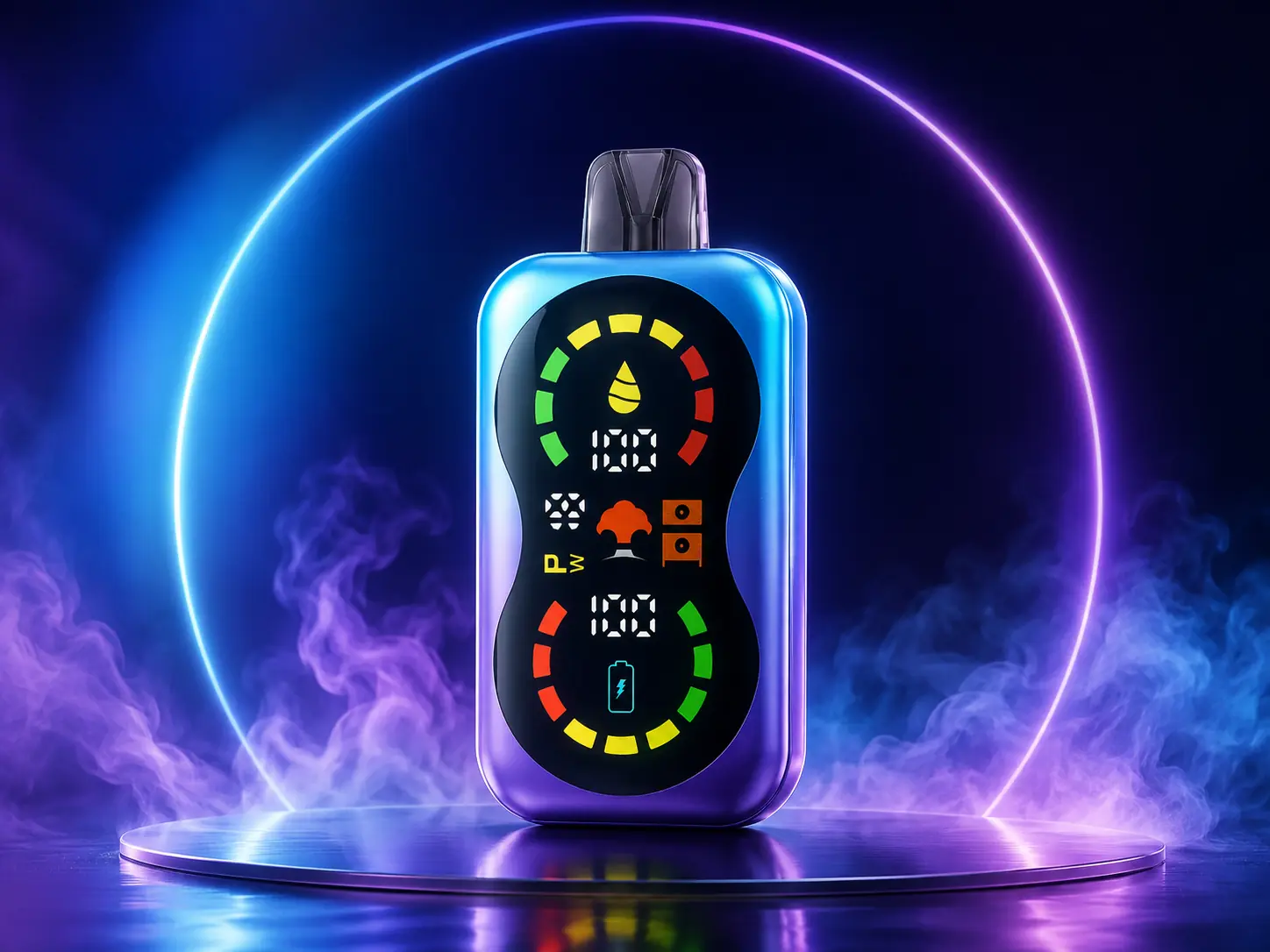
Most people pick a vape based on what they can see — the shape, the flavor name on the label, the puff count on the box. The vape coil inside actually determines how it tastes, how smooth it hits, and how long it lasts before the coil burns out.
Cotton and ceramic are the two vape coil types you will run into most. They both heat vape juice and turn it into vapor, but they do it differently — and that difference shows up in flavor, wicking speed, vapor production, coil lifespan, and how often you end up with a burnt hit. This article covers both from the angles that actually matter: vape coil design, flavor, lifespan, vapor output, vape juice compatibility, and replacement cost.

Cotton vs Ceramic Vape Coils Comparison Chart
| Key Difference | Cotton Vape Coil | Ceramic Vape Coil |
|---|---|---|
| Vape Flavor | Cotton vape coils deliver a strong vape flavor, especially for first puff flavor. | Ceramic vape coils provide a smooth and consistent vape flavor. |
| Best Flavor Use | Best for strong vape flavor, sweet vape juice, fruity vape juice flavors, and users who prefer a strong throat hit. | Better for consistent vape flavor, balanced taste, and all-day vaping without flavor fading quickly. |
| Vape Juice Wicking | Cotton coils wick vape juice quickly, but high VG vape juice may affect wicking speed. | Ceramic coils offer more even e-liquid distribution, depending on the ceramic coil design. |
| Coil Life | Cotton vape coils usually have a shorter coil life, especially with sweet vape juice, dark vape juice, or high VG vape juice. | Ceramic vape coils usually last longer and keep consistent flavor for longer. |
| Burnt Vape Taste Risk | Higher risk of burnt taste if the coil is not fully primed or during chain vaping. | Lower risk of burnt taste due to more even heating and smoother e-liquid absorption. |
| Vapor Clouds | Produces thick vapor clouds and strong flavor when the coil is new and properly saturated. | Produces smooth vapor with more consistent output over time. |
| Overheating Resistance | More sensitive to overheating, dry hits, and chain vaping. | More heat-resistant and structurally stable during repeated use. |
| Coil Priming | Requires users to prime the vape coil properly before vaping to avoid dry hits and burnt vape taste. | Usually easier to use with easier coil priming, depending on the device design. |
| Vape Juice Compatibility | Works well with many freebase nicotine vape juice and nic salt vape juice, but performance may vary with thicker vape juice. | Performs well with nic salt vape juice, disposable vapes, and closed pod vape systems. |
| Compatible Vape Devices | Commonly used in refillable pod systems, replaceable vape pods, vape tanks, and refillable vape devices. | Commonly used in disposable vapes, closed pod vape systems, ceramic vape cartridges, and high-quality vape atomizers. |
| Coil Maintenance | Needs more attention to coil priming, e-liquid level, chain vaping habits, and regular coil replacement. | Lower maintenance and more beginner-friendly vape coil for users who want a consistent vaping experience. |
| Coil Replacement Cost | Lower cost and easier to replace, making cotton coils popular for regular vape users. | Higher cost, but often offers longer coil life and more stable performance. |
| Best Choice For | Best for vapers who want stronger flavor, dense vapor, lower coil cost, and more vape device options. | Best for users who prefer smooth flavor, longer coil life, less maintenance, and stable vapor output. |
| Cons | Shorter coil life, higher burnt vape taste risk, and more frequent coil replacement. | Higher coil cost and flavor performance that depends heavily on ceramic coil quality and ceramic coil design. |
| The Bottom Line | Choose cotton vape coils if you want stronger vape flavor, dense vapor, and a cheaper coil replacement. | Choose ceramic vape coils if you want smoother flavor, longer coil life, and more consistent vape performance. |
What Is a Cotton Vape Coil?
A cotton vape coil is one of the oldest and most widely used vape coil types in the vape industry. How it works is simple: organic cotton absorbs vape juice, carries it to the vape coil, and the coil heats up to vaporize it.
Cotton is fast. It absorbs vape juice quickly and gives vape juice direct contact with the vape coil — which is why a fresh cotton coil often delivers strong flavor from the very first few puffs. Fruit vape flavors taste sharper, menthol vape flavors feel colder, and sweet vape juice comes through rich and full.
Cotton coils remain widely used in refillable pod systems, vape mods, and refillable vape devices. They are affordable, easy to produce, and mature in design. When used at the right wattage with the right vape juice, the experience is direct and satisfying.
The one real weakness is burnt hits, also called dry hits. When the cotton wick cannot absorb vape juice fast enough to keep up with the heat, it scorches — and once that happens, the burnt vape taste does not go away. The coil has to be replaced.
Cotton coils are sensitive to how you vape. Chain vaping too fast, wattage too high, or running low on vape juice will all shorten the life of a cotton coil faster than most people expect.
What Is a Ceramic Vape Coil?
A ceramic vape coil uses a porous ceramic coil as both the wick and heating coil system. The tiny pores inside the ceramic coil allow vape juice to spread more evenly before it gets heated.
The first puff flavor on a ceramic coil may not hit as hard. But the flavor stays consistent. It does not drop off suddenly, and the coil is far less likely to produce a burnt taste from coil hot spots. From the first puff to the last, the draw feels more even.
That stability is why ceramic coils have become more common in disposable vape devices. Since the coil inside a disposable vape cannot be replaced, it needs to last until the disposable vape runs out — something cotton coils can struggle with under heavy use.
Ceramic also tends to resist coil gunk better. Unlike cotton, which can darken and pick up stale or burnt flavor after repeated heating, ceramic holds its vape flavor longer.
They cost more to produce, and the porous ceramic coil structure requires precise manufacturing. A poorly made ceramic coil wicks too slowly, vapor production drops, vape flavor feels muted, and the ceramic itself can crack. Quality of the material and production process matters a lot more here than it does with cotton.
Do Cotton or Ceramic Vape Coils Taste Better?
Cotton coils and ceramic coils are made for different vaping styles and vape devices, and flavor is where that gap shows most.
Cotton coils hit harder up front. They wick fast, heat fast, and deliver flavor quickly. Sweet, menthol, and fruit vape flavors feel more intense on cotton. But as the coil ages, sweeteners and residue create coil gunk, flavor starts to fade, and eventually you get burnt hits or that burnt taste.
Ceramic coils rarely give you that same initial punch, but the vape flavor stays consistent mid-device. The porous structure distributes vape juice more evenly, producing a smoother draw with a slower drop-off. For users going through a full disposable vape or a long vaping session, that consistency adds up.
Stronger first-puff flavor: cotton. Consistent vape flavor from first puff to last puff: ceramic.
Do Ceramic Coils Last Longer Than Cotton Coils?
Usually, yes — but how long cotton vape coils last depends heavily on vaping habits. Chain vaping, vaping with low vape juice, and wattage too high can all cause cotton to burn early. Once it burns, it is done.
Ceramic coils handle heat better. The structure is more stable, it has even heat distribution, and performance holds up longer under normal use. For disposable vapes especially, where the coil has to survive the entire device, ceramic is the more reliable material.
Ceramic coils still wear out. Sweetener buildup and heavy chain vaping will affect any coil. But coil performance drops more slowly, and the experience stays consistent longer.
Why Do Cotton Coils Burn More Easily?
The main reason your vape tastes burnt is simple: if the cotton wick is not fully saturated but the coil keeps heating, the cotton burns.
Common causes include not priming a new vape coil properly, chain vaping too fast, using thick high VG vape juice that wicks slowly, running the wattage too high, or vaping when the vape tank is almost empty.
Ceramic coils are more forgiving. Even heat distribution across the surface makes coil hot spots harder to trigger and burnt hits take longer to show up. A low-quality vape device or cheap vape coil can still get you there eventually — ceramic just makes it less likely.
Vape Juice Compatibility: Which Vape Juice Works Best?
Cotton coils work best with 50/50 vape juice or medium VG vape juice. They wick quickly and deliver flavor fast, but sweet vape juice or high VG vape juice can create coil gunk faster, which shortens coil life and causes poor wicking and burnt hits.
Ceramic coils handle high VG vape juice better. Even heating means less buildup from local coil hot spots, and the structure holds up well with high VG vape juice or thick vape juice formulas that need stable vapor production.
For nic salt vape juice, also known as nicotine salt vape juice, and most popular vape juice flavors, either coil type can work — the bigger variables are device design, airflow, and wattage settings.
Best Vape Coil for Your Vaping Style
Choose cotton vape coils if you want strong first-puff flavor, use replaceable pod systems or open-system devices, want lower vape coil replacement cost, or prefer a stronger throat hit with bigger vapor clouds.
Ceramic coils make more sense for disposable vapes and prefilled vape pods — especially if you want to avoid burnt vape hits and you want consistent flavor until the last puff.
Conclusion
For refillable vape systems and vapers who want bold flavor, cotton coils still hold up. For disposable vapes and users who want a smoother vape with consistent flavor with fewer burnt hits, ceramic is usually the better call.
Coil design, wattage, airflow, vape juice thickness, sweetener level, and PG/VG ratio all feed into how every puff feels. Vape coil material is only one part of coil performance — not the whole answer.


