




 Back
Back
 Share:


 Back
Share:
Back
Share:
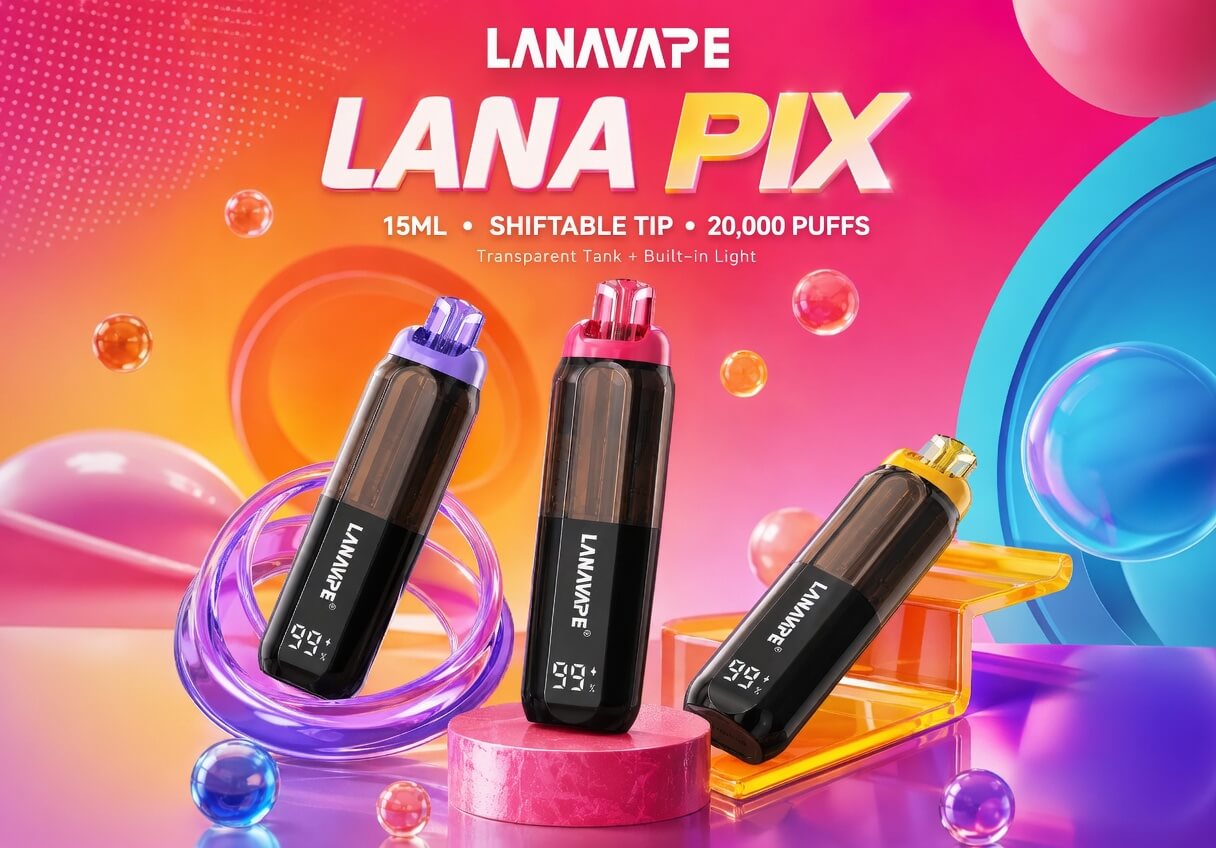
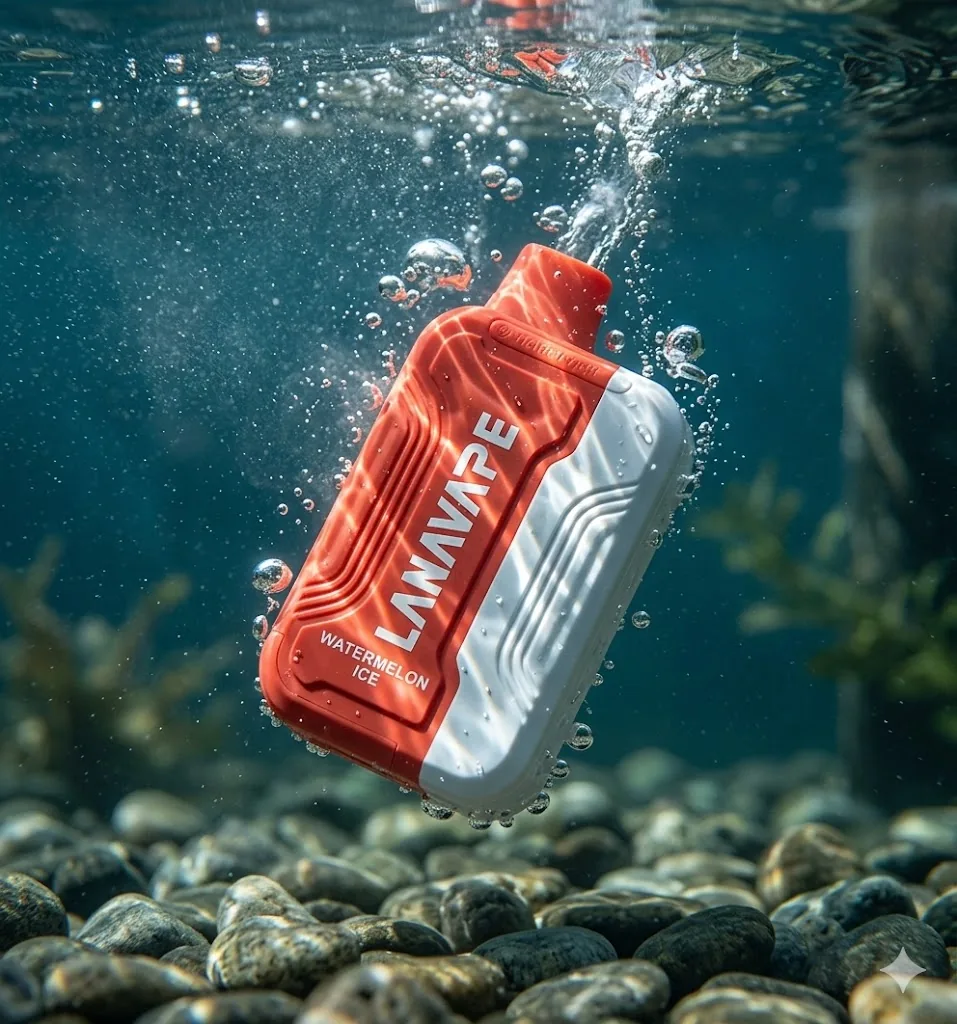
Most people carry their vape everywhere, so accidents happen. It might fall into the sink, fall into the toilet, get dropped near the pool, or sit in your pocket during heavy rain. The first thought is usually the same: can I just dry it off and keep using it?
Maybe. But honestly, it is not something you should test right away.
A vape is not just a plastic shell with a mouthpiece. Inside a disposable vape, there is a battery, vape coil, circuit board, wiring, and airflow system packed into a small space. Once water gets inside, it can damage the vape electronics, damage the vape coil, affect the vape juice, or cause connection issues.
The outside can look dry while water is still trapped inside the vape. That is where the real problem starts.
Let’s go through what can happen when you drop a vape in water, whether it is still safe to use, what to do next, and when it is better to stop trying and replace it.
What Happens When You Drop a Vape in Water?
The biggest issue is not the water sitting on the outside. It is the water that gets into the parts you cannot reach.
1. It Can Cause a Vape Short Circuit
A vape has a battery, circuit board, chip, and metal contact points inside. When water reaches those parts, electricity can start flowing where it should not. That is when you get a vape short circuit.
You might notice the vape won’t turn on, the vape light is blinking, the vape starts auto-firing, or the body feels hot for no clear reason. Sometimes the vape just stops working.
With disposable vapes, this is especially annoying because you cannot open the device and check what actually happened inside.
2. Water Can Corrode the Internal Vape Parts
Even if you wipe the outside dry, water may still be sitting around the charging port, coil area, airflow channel, or battery connection. Give it enough time, and those tiny metal parts can start to oxidize or corrode.
That can lead to connection issues, charging problems, low vapor production, or a vape not working properly a few hours later. It does not always fail instantly.
If your vape fell into seawater, soda, coffee, or any sugary drink, the risk goes up. Salt, sugar, and acidic ingredients are rough on small vape components, especially inside a sealed disposable vape.
3. The Vape Battery Can Become Unsafe
Most vapes use lithium-ion batteries. They are small, powerful, and fine when everything is working normally. But water and batteries are never a good mix.
If you use a vape after dropping it in water, or worse, plug it in too soon, the battery may behave unpredictably. It might not charge, the vape battery may drain fast, the vape may get hot, or you may notice a burnt smell from your vape.
A swollen vape battery is a serious warning sign. If the shell looks puffed up, warped, or hotter than normal, stop using it. Do not charge it to “see what happens.”
4. Flavor, Vapor Production, and Draw Can Get Worse
Water can also affect the coil and vape juice. Even if the vape still hits, the vape may not taste or hit right.
You may get muted flavor, low vapor production, burnt hits, leaking, or a tight draw. Sometimes the vape feels like it is working, but the flavor tastes thin or strange.
That usually means water has reached the coil, pod, or airflow channel. Not ideal.
Can You Still Use a Vape After It Falls in Water?
The safer answer is: do not use it right away.
Even if it still lights up. Even if it still produces vapor. That does not mean the inside is dry or safe.
A lot of vape water damage shows up later. The device might seem fine for a while, then start blinking, stop charging, taste burnt, or get hot in your hand.
1. It Depends How Long the Vape Stayed in Water
If your vape only got splashed, or you dropped it in water and grabbed it within a second or two, it might survive.
But if it sat in water for several minutes, that is a different story. At that point, water has had enough time to get into the airflow channel, charging port, coil area, circuit board, and battery contacts.
The longer it stays underwater, the less I would trust it.
2. The Pod or Coil May Have Water Inside
If you use a pod system or refillable pod vape, the pod and coil can take in water pretty quickly.
The device might still turn on, but you could notice weak flavor, low vapor production, leaking, burnt hits, or blocked airflow or a tight draw. Once water gets into the pod or coil, replacing that part is usually the better move.
Trying to keep vaping it usually makes the flavor and vapor worse.
3. Disposable Vapes Are Harder to Check After Water Damage
Disposable vapes are sealed. That is convenient when they work, but not great when water gets inside.
You cannot remove the battery. You cannot check the circuit board. You cannot swap the coil. All you can do is dry the outside and guess what is happening internally.
That is why a disposable vape dropped in water is riskier than a refillable vape device you can take apart and inspect.
4. Stop Using the Vape If It Gets Hot, Blinks, or Smells Burnt
If the vape gets hot, smells strange, tastes burnt, flashes randomly, refuses to charge, auto-fires, or shows any sign of battery swelling, stop using it immediately.
Do not keep taking “just one more puff.” Do not plug it in. Replace the vape.
What to Do If Your Disposable Vape Falls Into Water
If your disposable vape falls into water, do not test it right away. I know that is the first thing most people want to do, but it is also the easiest way to make a small problem worse.
There is a battery and circuit board inside that little device. Treat it like a wet electronic device, not like a wet pen.
1. Take the Vape Out of Water Immediately
Get the vape out of the water as soon as you can. The less time it spends underwater, the better.
A quick splash is one thing. Sitting in a sink, toilet, pool, or cup for a few minutes gives water more time to creep into the battery area, circuit board, coil, and airflow system.
2. Do Not Hit or Charge the Vape Right Away
This matters more than anything else.
Do not try to hit the vape. Do not charge a vape after it falls into water. If moisture is still inside, firing the device or plugging it in can cause a vape short circuit, overheating, vape not charging, or battery damage.
A lot of vape problems do not happen the second the device hits water. They happen when someone tries to use or charge it afterward.
3. Wipe It Down and Let the Vape Air Dry
Use a paper towel or dry cloth to wipe the outer shell, mouthpiece, and charging port area. Then leave it in a dry, ventilated place.
Skip the hair dryer. Skip the oven. Definitely do not put it in a microwave.
Heat can damage the battery and make the situation more dangerous. Letting it air dry is slower, but safer.
4. Watch for Warning Signs
While it is drying, pay attention to how the vape behaves.
If the light starts blinking on its own, the vape starts auto-firing, the body feels hot, you smell something burnt, it leaks, or the shell looks swollen, stop using the vape and keep it away from anything flammable.
At that point, it is not worth saving.
5. If the Vape Was Fully Soaked, Replace It
A disposable vape is not built to be repaired. Once it has been soaked, you cannot really know whether the battery, circuit board, or wiring has dried out properly.
It may light up again. It may even still produce vapor. That still does not prove the inside is okay.
If the vape spent more than a quick moment in water, replacing it is the safer choice. Annoying, yes. But safer.
Can a Disposable Vape Explode If It Falls Into Water?
A disposable vape usually will not explode the second it falls into water. Most of the time, it just stops working, blinks strangely, gives weak vapor, or dies.
The bigger risk comes afterward, especially if you keep using it or try to charge it while moisture is still inside.
1. It Usually Will Not Explode Immediately
Most vapes do not do anything dramatic the moment they touch water. You probably will not see anything happen right away.
But that is the tricky part.
The battery, circuit board, or metal contacts may already be damaged. The vape might look normal from the outside while moisture is still sitting inside the device.
2. The Main Risk Is a Vape Battery Short Circuit
Disposable vapes contain lithium-ion batteries. When water gets near the internal vape circuit, metal contacts, or battery connection points, it can trigger a vape short circuit.
Sometimes that just means the device stops working. Sometimes it means the vape gets warm, the vape battery may drain fast, smells burnt, or starts acting strangely.
In a worse case, overheating can lead to smoke or fire. It is not the most common outcome, but it is possible enough that you should not ignore it.
3. Charging After Water Damage Is the Worst Move
If your rechargeable disposable vape falls into water, do not charge it right away.
The charging port may look dry, but moisture can still be inside. Once you plug it in, current starts moving through parts that may already be wet or corroded.
That is when a damaged vape can become more dangerous. Not while it is sitting on the counter. While it is charging.
4. Salt Water, Soda, and Coffee Can Damage a Vape Faster
Plain water is bad enough. Seawater, soda, coffee, and sugary drinks are worse.
Salt can speed up corrosion. Sugar can leave sticky residue. Coffee and acidic drinks can damage the circuit board and metal contacts. Even if the vape seems to work after drying, the inside may already be damaged.
If your vape falls into salt water, soda, coffee, or any sticky drink, I would be much less comfortable using it again.
Conclusion
If your vape falls into water, do not rush to use it. And do not charge it right away.
Dry the outside, leave it somewhere ventilated, and watch for anything weird. If it gets hot, smells burnt, leaks, blinks randomly, auto-fires, or stops charging, stop using it.
A vape can look dry on the outside and still have moisture inside. It can light up and still be unsafe. It can produce vapor and still have battery or circuit damage.
This is especially true with disposable vapes because you cannot open them up and check the inside. If the device was underwater for more than a moment, or if it fell into seawater, coffee, soda, or another sugary drink, replacing it is the smarter move.
Most of the risk does not come from dropping the vape in water. It comes from what happens after — taking a puff to test it, or plugging it in to see if it still charges.
Those are the two things you really want to avoid.


