




 Back
Back
 Share:


 Back
Share:
Back
Share:
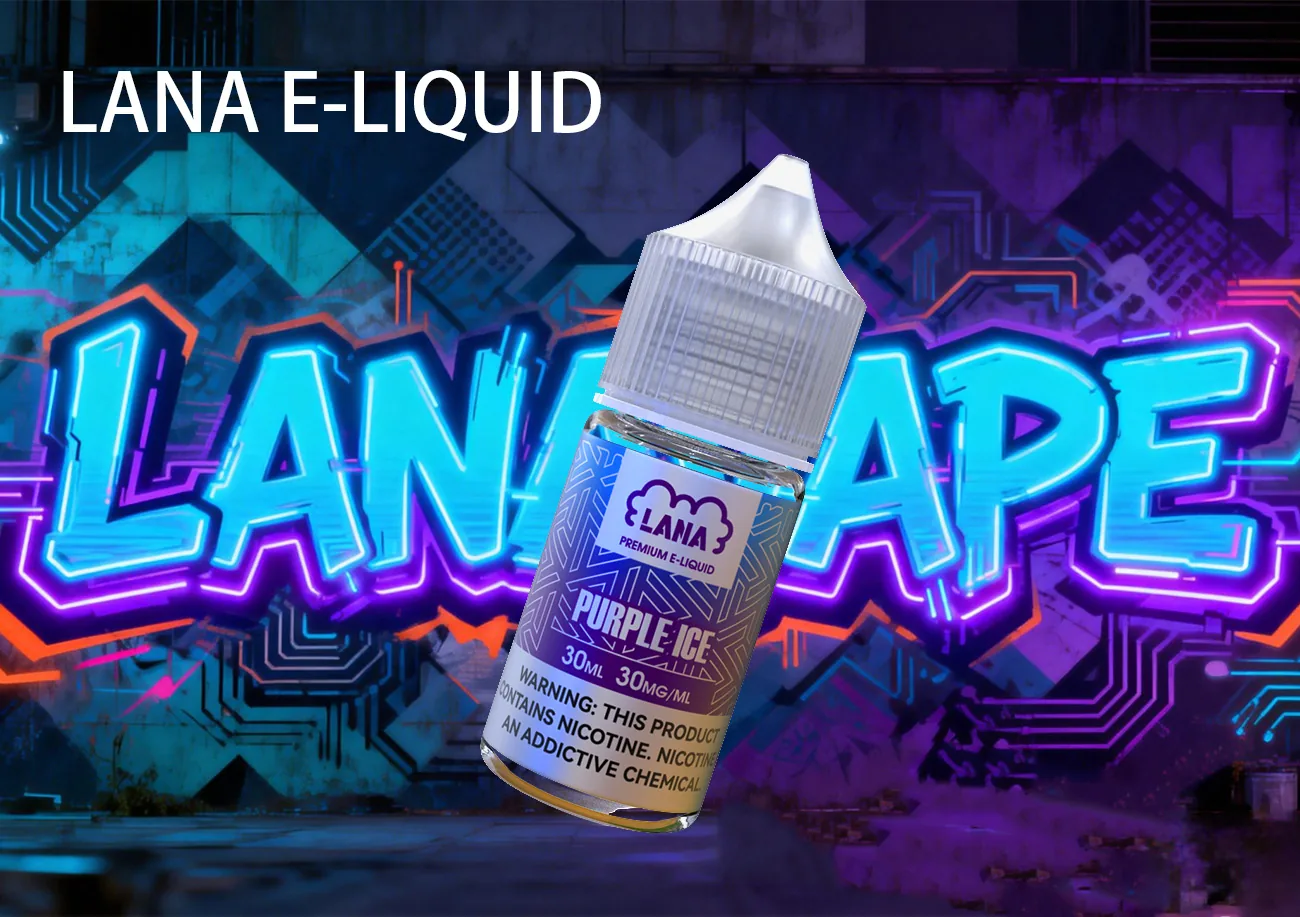
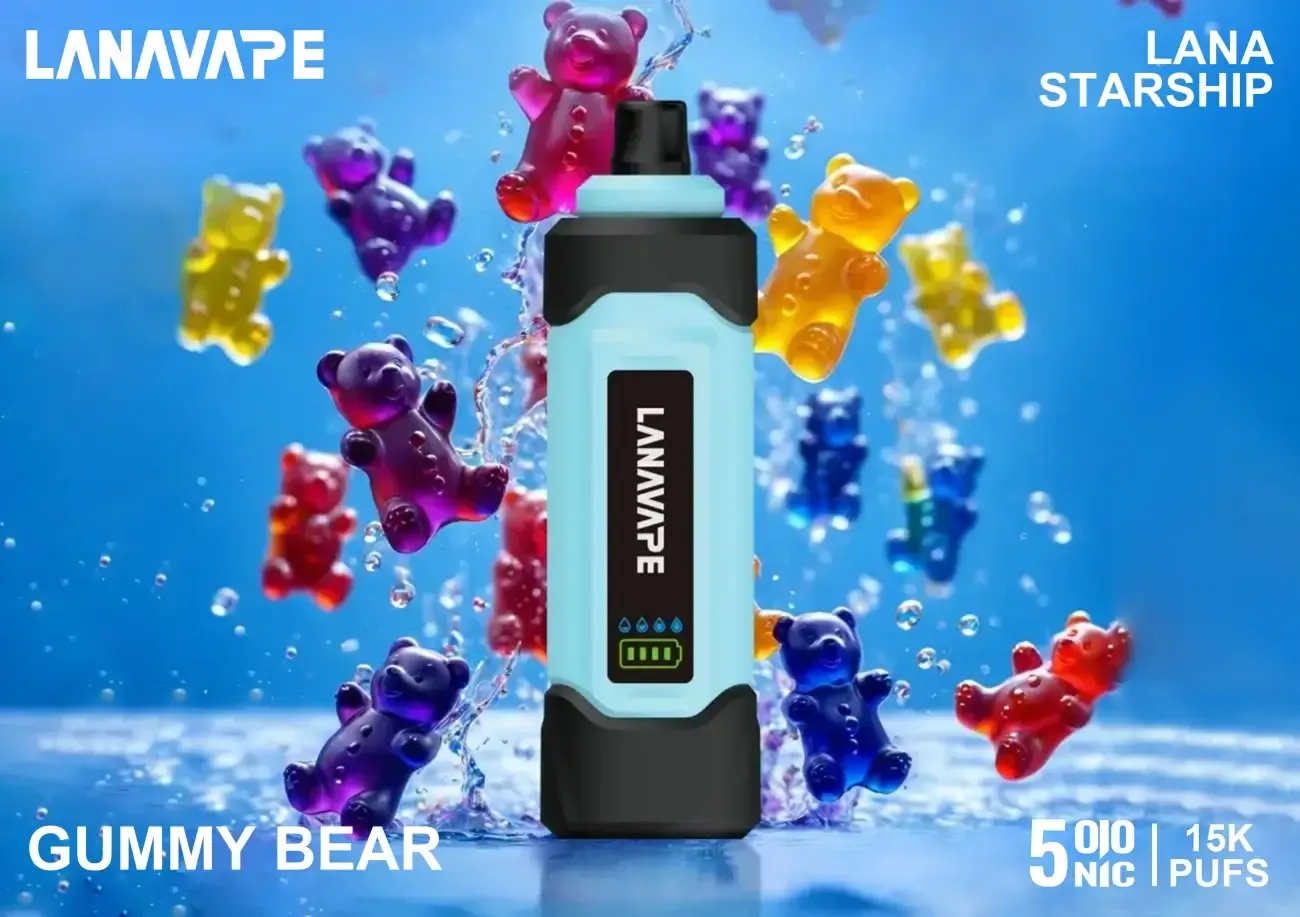
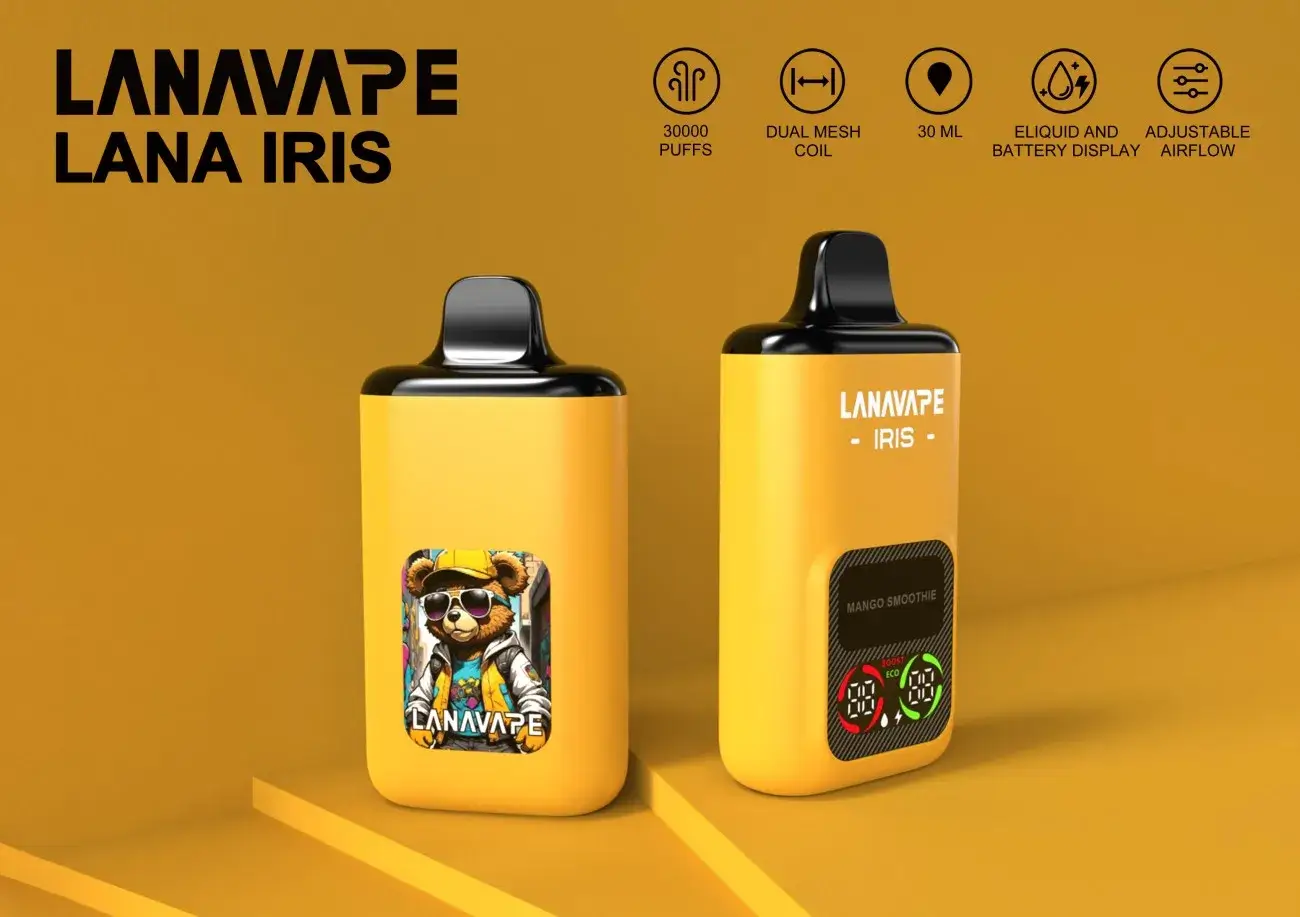
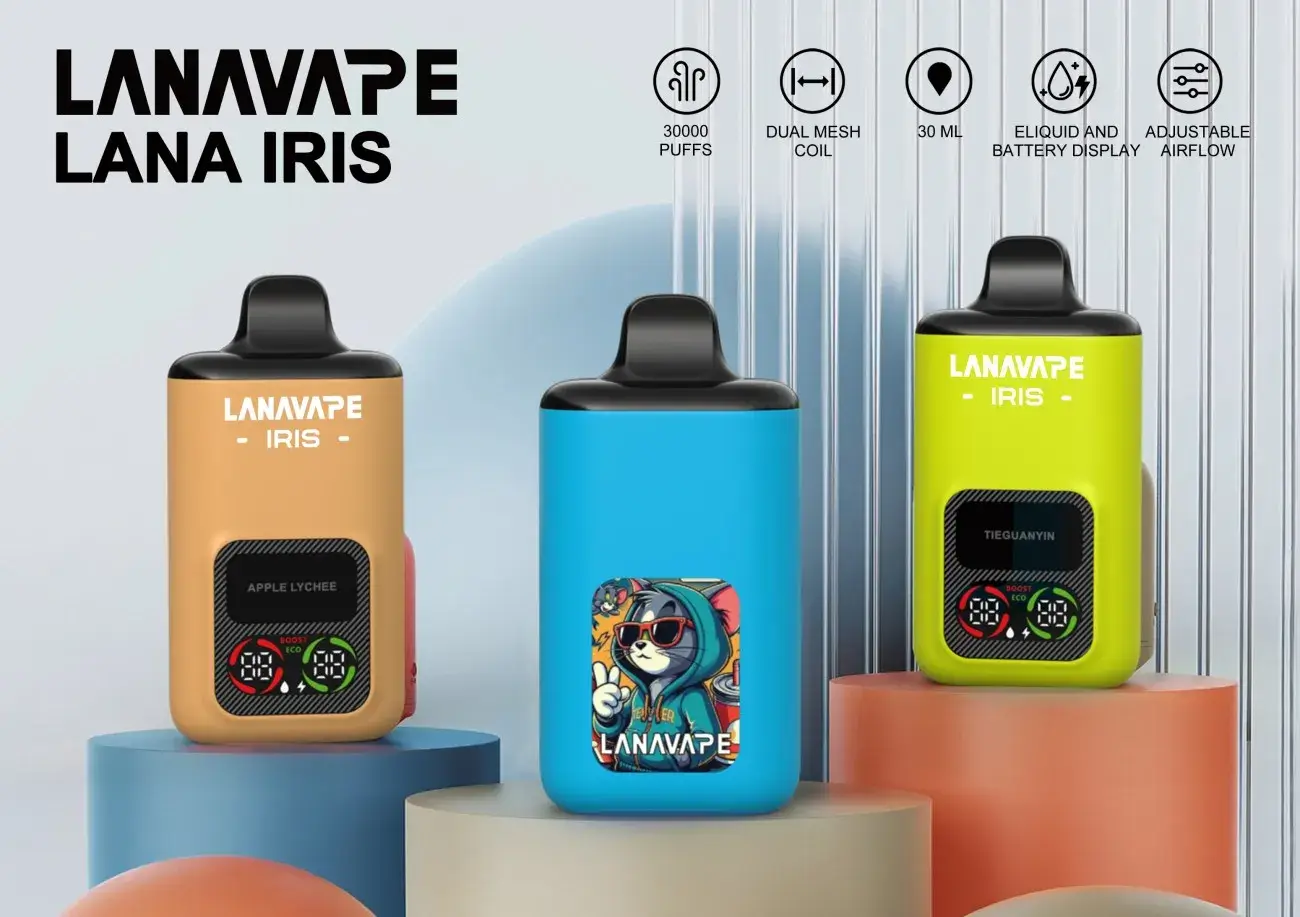
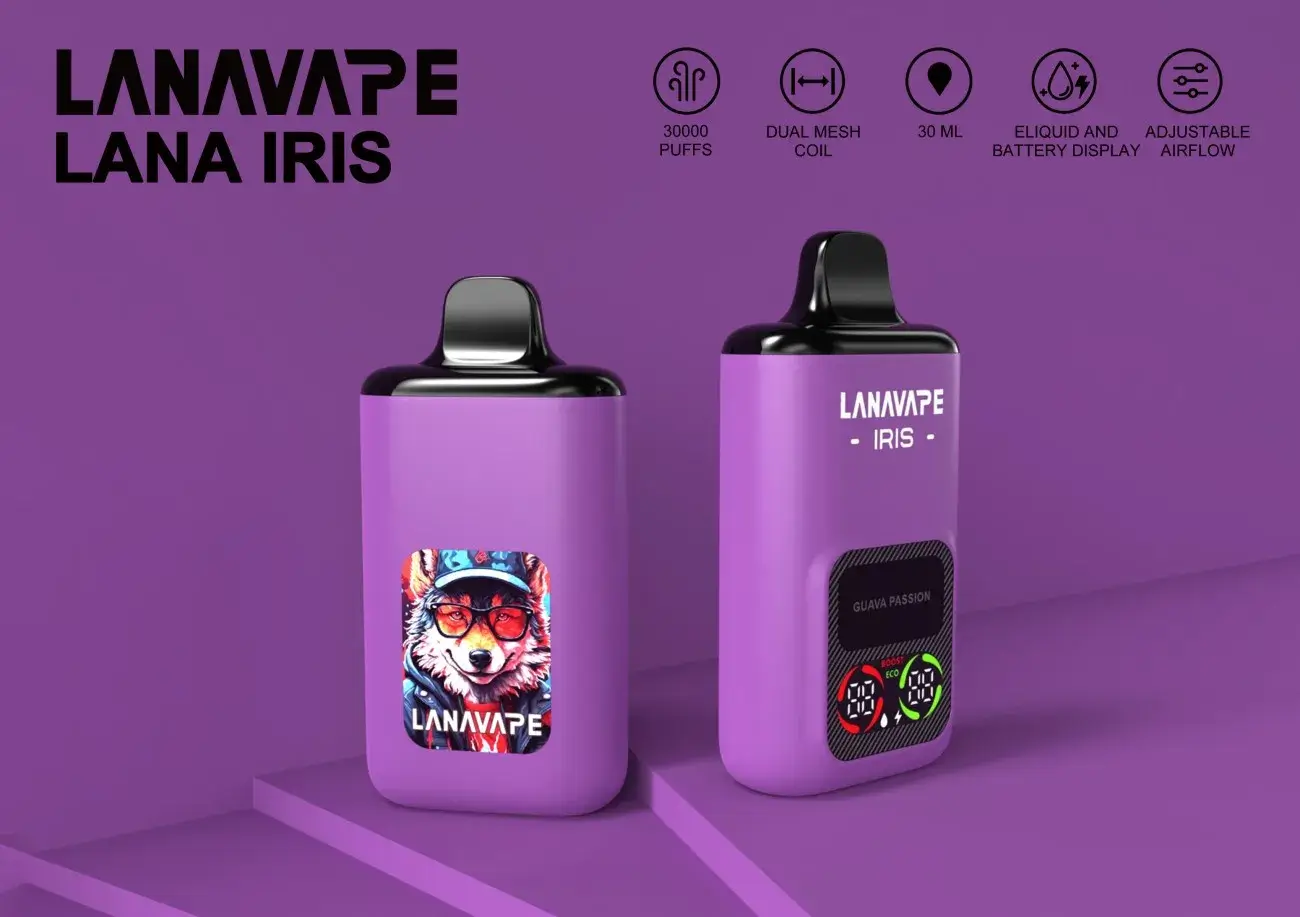
As vapes gradually become a part of daily life, more and more people who previously smoked traditional cigarettes are starting to try them as an alternative.
No need for lighting, no ash, small size, and easy portability—these features make vaping devices more convenient and liberating in many situations.
However, after using them for a while, a natural question arises:What exactly are the ingredients in vape juice? Are these ingredients generally considered safe when used properly?If you've had these questions, that's perfectly normal. Understanding what you inhale every day is a rational and responsible choice.
Next, we'll break down the composition of vape juice step by step, explaining the purpose and safety background of each ingredient, so you can use vapes with greater peace of mind and a clearer understanding of your choices.
I. Main Ingredients of Vapes
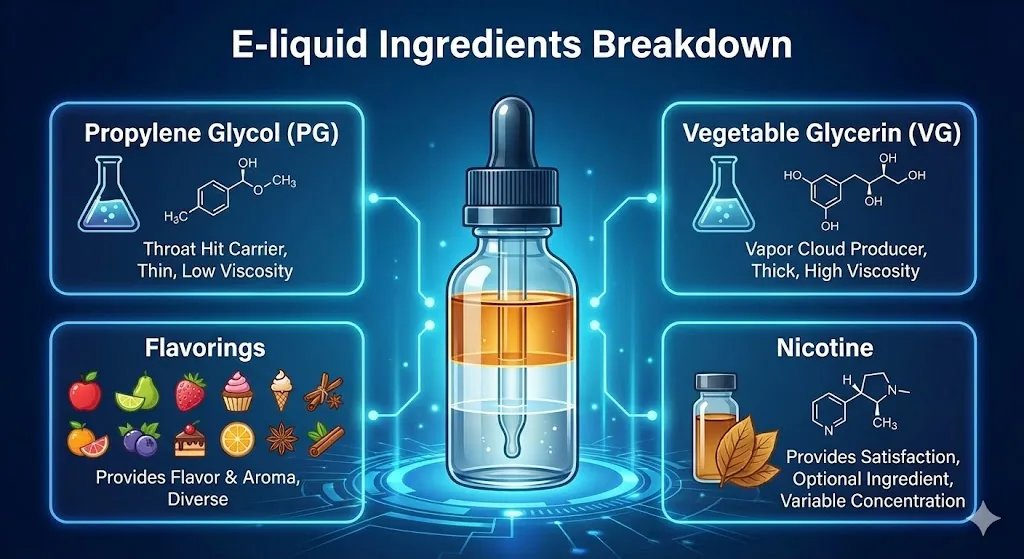
1. Propylene glycol
PG (propylene glycol) is one of the main raw materials marketed in the food and pharmaceutical industries.
In vape juice, PG primarily carries vape flavors and provides a strong throat hit similar to smoking traditional cigarettes.
Uses:It dissolves vape flavorings and nicotine, so the flavors are much clearer in the vaping liquid to really be like what they are supposed to taste.
Safety:PG is widely used in food, beverages, drugs, and cosmetics, and it's very much used and regulated. Generally, it is regarded as safe when it is in the range of normal vaporization. But it may cause throat dryness in a few individual cases, linked to sensitivity.
2. VG (Vegetable Glycerin)
VG (vegetable glycerin) is derived from the plant oils. The glycerin is a natural and slightly sweet, viscous liquid.
Uses:It is used to form more thick vapor clouds in vapes, thereby making the inhalation smoother and softer.
Safety:VG is highly used in food, candies, and cosmetics. It is less irritating to the throat generally-in favor of those who are fond of bigger vapor productions with a smoother throat hit, high VG vape juice is particularly designed.
3. Vape Flavorings
These are very natural, industrial chemicals, and all the taste diversity in vape juice comes from food-grade vape flavorings.
Uses:There are so many vape flavors, from mint to fruit, dessert, and tobacco, available for the whole vaping experience to be improved.
Safety:Approved brands use flavorings that meet safety requirements in food. The quality difference between brands mainly depends on the source and formulation of the vape flavors, as well as how carefully the proportions are controlled.
4. Nicotine
Nicotine is the natural compound in tobacco which is one of the main reasons why many users start vapes.
Uses:It helps those who are addicted to smoking slowly ease off from conventional cigarettes but at the same time experience satisfaction. Many users also regard different levels of nicotine symptoms, from low nicotine to nicotine-free vape juices, depending on their needs.
Safety:Nicotine is addictive; however, vaping allows users to control intake more precisely than traditional cigarettes. The frequency of use and the amount of nicotine consumed within these frequencies are critical.
II. Is Vape Juice Safe?
From an ingredient perspective, the core components of compliant vape juice mostly come from the food or pharmaceutical industries. Unlike traditional cigarettes, vaping liquid does not involve combustion, does not produce tar, and does not generate carbon monoxide.
However, it is important to understand that whether vape juice is considered safe largely depends on product quality and brand compliance.
For this reason, users should always choose vape juice purchased from legitimate sources with clearly labeled ingredients. Mixing liquids with unknown or unverified ingredients is strongly discouraged.
In simple terms, choosing compliant products and using them properly is the foundation of safer use.
III. Does Vape Juice Expire?
It is not recommended to use expired vape juice.
During storage, vaping liquid may undergo several changes: vape flavors can weaken or change, nicotine stability may decline, and the liquid color may darken over time.
While expired vape juice is unlikely to cause immediate harm, its taste, performance, and overall stability will noticeably deteriorate.
For a better and more consistent experience, users should check the production and expiration dates, store vape juice away from heat and direct sunlight, and use it within the recommended period after opening.
Conclusion
Vape juice is not a mysterious chemical mixture. Its main ingredients are clearly defined and widely used across multiple industries.
PG carries flavor, VG produces vapor, vape flavorings provide taste, and nicotine offers flexible choices.
When users select compliant brands, store products correctly, and use vaping liquid responsibly, vapes can offer a more controlled alternative experience. Understanding vape juice ingredients is the first step toward making informed decisions.


