








 Back
Back
 Share:


 Back
Share:
Back
Share:






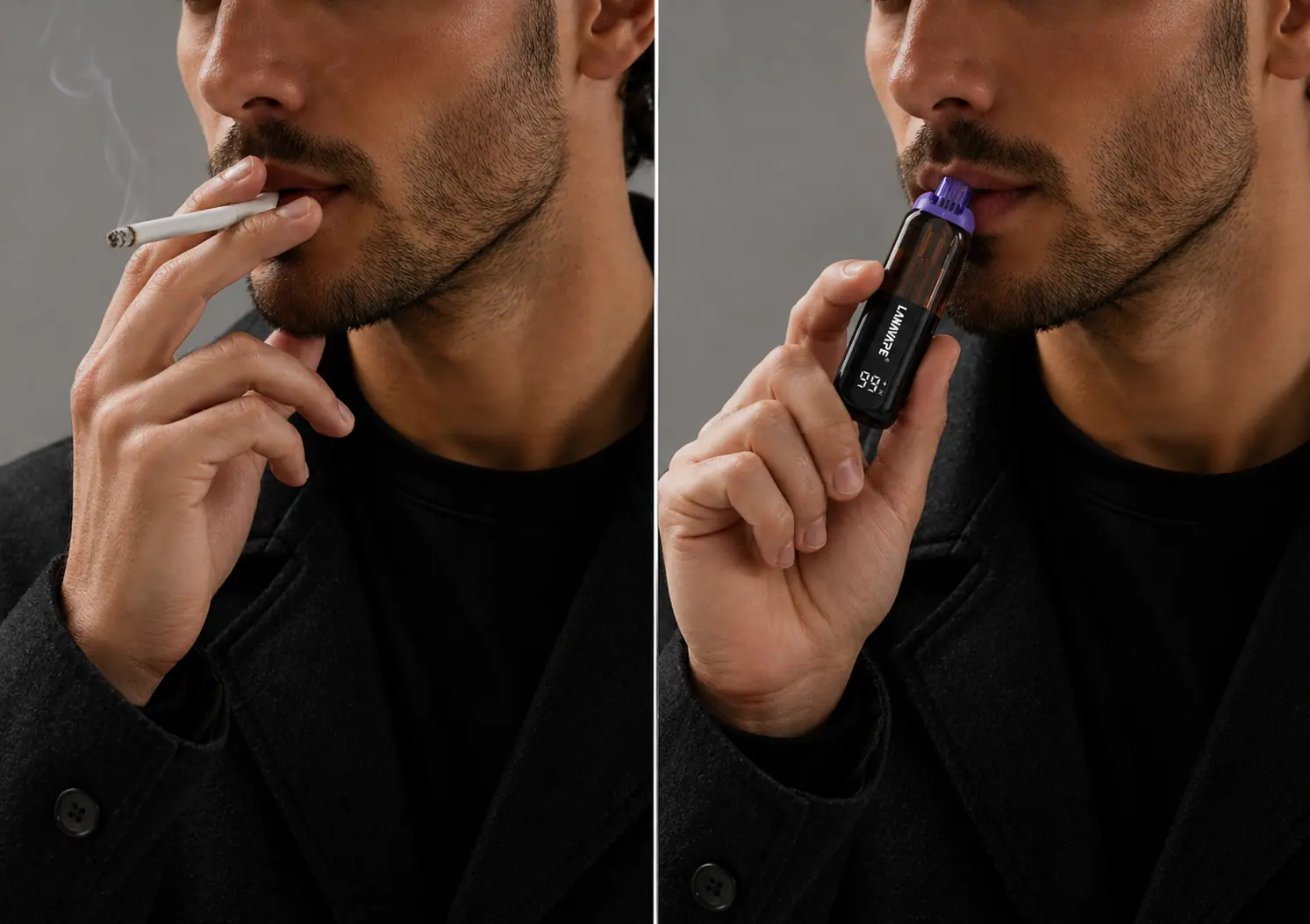
Most smokers have tried to quit at some point.
Maybe you made it a few days. Maybe just a few hours before lighting up again.
It’s usually not about lack of willpower. The cravings just keep coming back, and they’re hard to ignore. That’s exactly why more people are turning to vaping as a transition — not as a quick fix, but as a more manageable way to step away from cigarettes.
So what actually happens when you stop smoking and switch to a vape?
What you’ll notice isn’t instant — but the changes start showing up sooner than most people expect.
Can Vaping Actually Help You Quit Smoking?
For a lot of people, yes — it can.
Switching to a vape doesn’t hit your body the same way as going cold turkey. You still get the hand-to-mouth habit, the inhale, even the throat hit depending on your setup. That familiarity makes a big difference.
Instead of cutting nicotine overnight, many vapers gradually reduce it. Start with a higher nicotine e-liquid or nicotine salt, then move down over time. Eventually, some people switch to a zero nicotine vape altogether.
That step-by-step approach tends to work better than forcing it.
In that sense, a vape isn’t the end goal — it’s more like a tool you use along the way.
How to Transition from Smoking to Vaping
Trying to quit cigarettes instantly sounds good in theory. In reality, it rarely sticks.
A more practical approach? Replace first, reduce later.
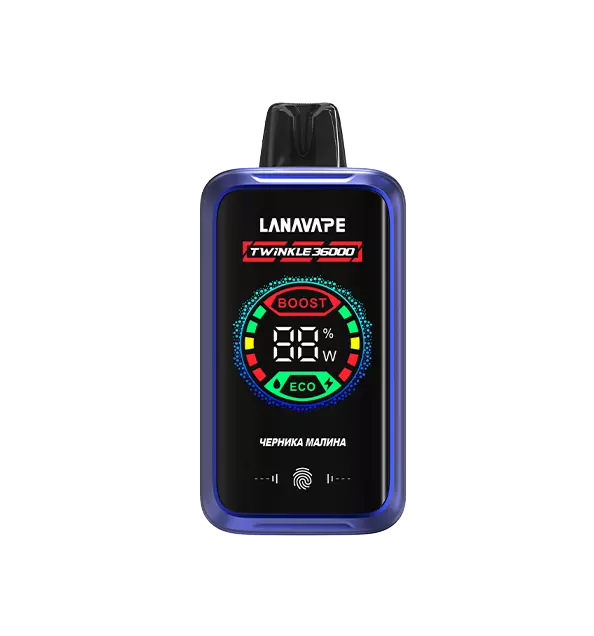
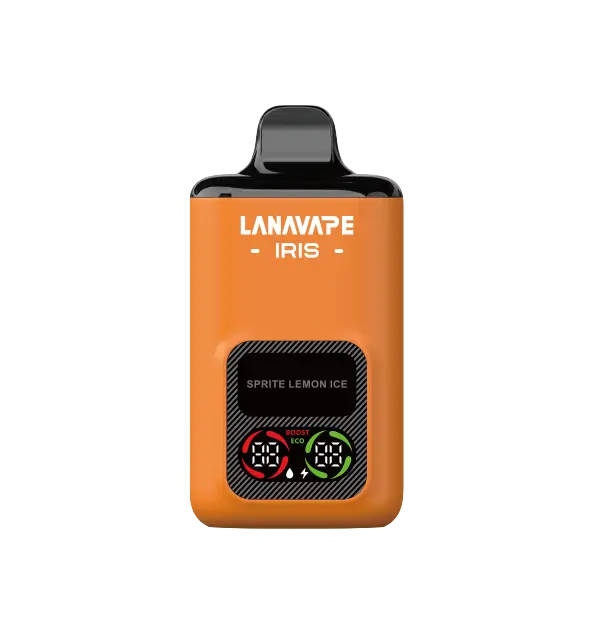
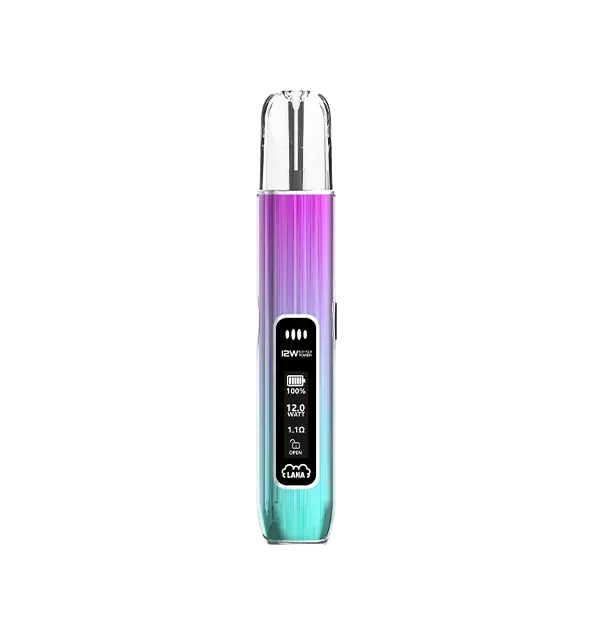
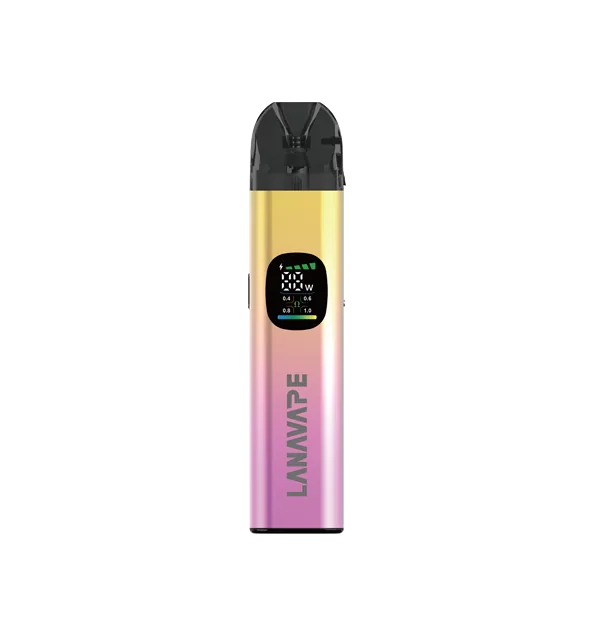
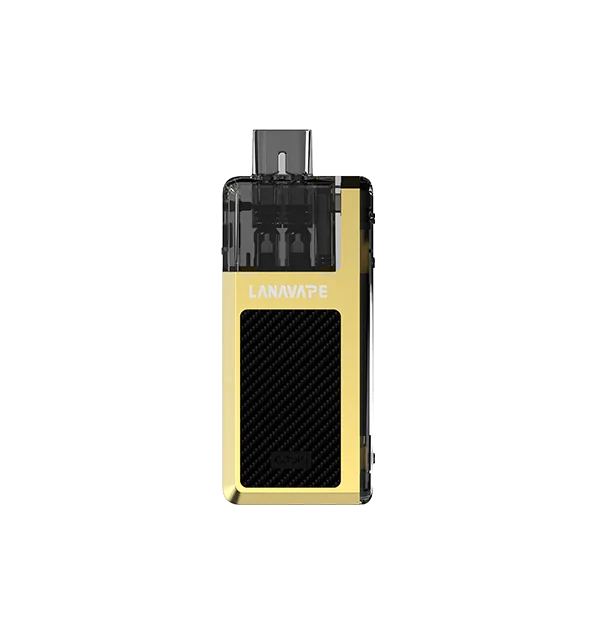
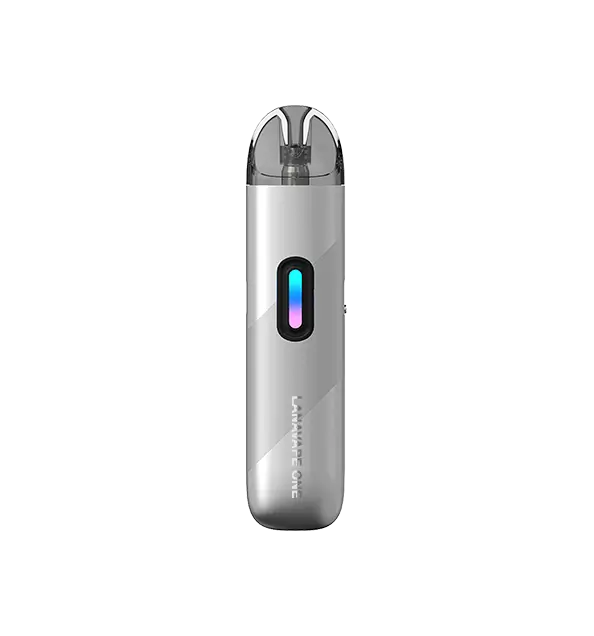
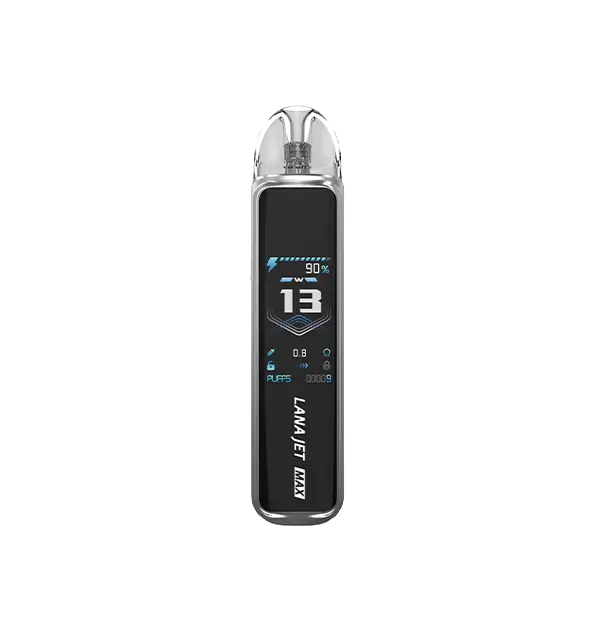
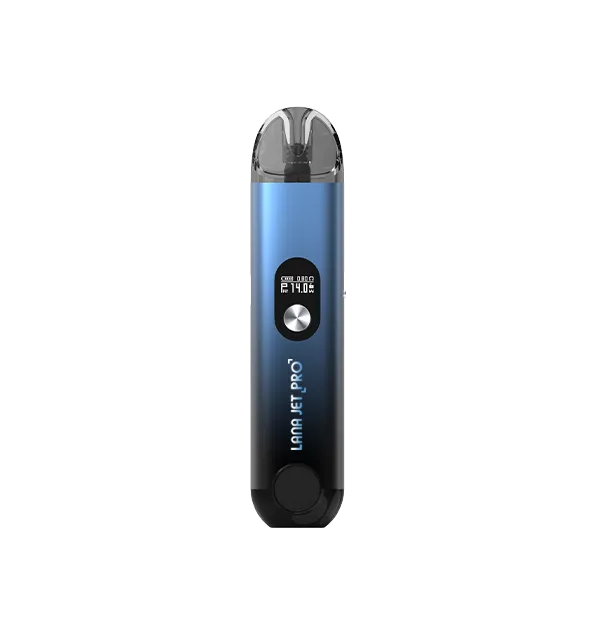
Start by swapping your cigarettes for a vape device — something simple like a pod system or disposable vape works for most people. Don’t worry about cutting back right away. Focus on getting used to the new habit.
Once you’re no longer reaching for cigarettes, then you start adjusting.
Lower your nicotine strength. Vape a bit less often. Maybe switch from nicotine salts to lower-strength freebase e-liquid. Small changes, over time.
Eventually, you can move toward a zero nicotine vape. At that stage, it’s less about physical dependence and more about breaking the routine.
That’s when the real shift happens.
What Happens to Your Body After You Quit Smoking and Start Vaping?
Switching from cigarettes to vaping doesn’t reset your body overnight.
It’s more like a transition phase — you’re cutting out combustion (and all the toxic byproducts that come with it), while your body adjusts to vapor instead of smoke.
Here’s how it usually plays out:
⏱ Within 20 Minutes
Your heart rate and blood pressure start to drop.
Even if you’re using a vape, you’re no longer inhaling carbon monoxide from burning tobacco — and that matters.
⏱ Within 24 Hours
Carbon monoxide levels in your blood decrease significantly.
Your oxygen levels begin to recover, which improves circulation.
⏱ Around 48 Hours
Your sense of taste and smell starts to come back.
Food tastes better. Flavors feel sharper. Most people notice this pretty quickly.
⏱ About 1 Week
Breathing feels easier.
Some people experience coughing or mild irritation — that’s usually your lungs clearing out residue from years of smoking, not an issue with your vape.
⏱ 2–4 Weeks
Shortness of breath and chest tightness continue to improve.
You’ll also get more used to how vapor feels compared to smoke — different throat hit, different inhale.
⏱ 1 Month and Beyond
Things start to level out.
Breathing feels more natural. Your body adapts to life without cigarette smoke. If you’re reducing nicotine at the same time, this is where dependence often starts to fade.
This whole process isn’t about instant change — it’s about lowering risk step by step.
Why More Smokers Are Switching to Vapes
This shift isn’t just a trend.
Cigarettes come with obvious downsides — the smell, the lingering smoke, the impact on your body. A lot of smokers reach a point where they want something different, but quitting outright feels too difficult.
Vaping sits somewhere in between.
There’s no combustion, so you’re not dealing with tar or the same level of harmful byproducts. You also get flexibility — different nicotine strengths, different devices, different vape juice flavors, even control over your PG/VG ratio if you’re using more advanced setups.
For a lot of people, that level of control is what makes the difference.
It turns smoking from something rigid into something adjustable. And over time, something you can actually move away from.
Conclusion
Switching from smoking to vaping isn’t a magic fix — but it’s a more realistic path for a lot of people.
You’re not forcing your body to quit overnight. You’re easing out of it, step by step. Less smoke, fewer harmful byproducts, and more control over how you reduce nicotine.
Some people stop completely. Some take longer. Both are normal.
What matters more is that you’re moving away from cigarettes, at your own pace.


