



 Back
Back
 Share:


 Back
Share:
Back
Share:
Whether you’re trying vaping for the first time or you’ve been using vapes for a while and just want to switch flavors or devices, choosing vape juice can get confusing fast.
And honestly, the hardest part usually isn’t picking mango, mint, or some crazy mixed fruit flavor. It’s figuring out what that nicotine strength on the label actually means.
A lot of vapers see numbers like 3mg, 20mg, or 50mg and don’t really know where they fit. Is 3mg low? Is 20mg strong? Who is 50mg actually for?
Pick the wrong nicotine strength, and even the best device with your favorite flavor can feel rough, weak, or just completely off.
This guide keeps things simple. We’ll walk you through nicotine strength, how different vape devices can change your experience, and how to choose a level that truly fits the way you vape.
What Nicotine Strength Means on a Vape Juice Label
That little number on a vape juice bottle — 3mg, 6mg, 20mg, 50mg, or sometimes 5% — tells you how much nicotine is mixed into the e-liquid.
Most bottled vape juice uses mg/mL, meaning milligrams of nicotine per milliliter of e-liquid. Some disposable vapes and nic salt products show it as a percentage instead.
The number matters, but it does not tell the whole story.
A 20mg e-liquid in a small pod system can feel completely normal. Put that same strength into a powerful sub-ohm mod, and it can hit way too hard. Bigger vapor means more nicotine per puff, so your setup can change the experience more than beginners expect.
Common nicotine strengths usually look like this:
- 0mg = nicotine-free
- 3mg / 6mg = low strength
- 10mg / 20mg = medium strength
- 30mg / 35mg / 50mg = high strength
Use the label as a starting point, not a final answer. Your coil, wattage, airflow, inhale style, and e-liquid formula all change how that nicotine strength actually feels.
The Two Main Types of Nicotine in Vape Juice
Nicotine does not always feel the same in a vape.
Most vape juice, pod refills, and disposable vapes use either freebase nicotine or nicotine salt. Same number on the label, very different experience in the throat.
Freebase usually feels sharper. Nic salt usually feels smoother and faster. That small difference matters a lot when you’re choosing between low, medium, and high nicotine strengths.
Freebase Nicotine
Freebase nicotine is the older, more classic style of nicotine used in vape juice. If you’ve used a bottle of e-liquid with a sub-ohm tank or box mod, there’s a good chance it was freebase.
It has a more noticeable throat hit, and that hit gets stronger as the nicotine level goes up. At 3mg or 6mg, it can feel clean, punchy, and satisfying. Push the strength too high, though, and freebase can get rough fast.
That’s why you usually see freebase nicotine paired with sub-ohm vapes, high-wattage mods, and DTL vaping. These setups produce more vapor, so lower nicotine strengths make more sense.
If you like bigger clouds, fuller inhales, and a sharper throat kick, freebase nicotine still has its place.
Nicotine Salt
Nicotine salt, usually called nic salt, is what you’ll find in many pod systems, disposable vapes, and compact MTL devices.
The appeal is simple: it feels smoother at higher strengths. A nic salt vape can carry more nicotine without feeling as rough as high-strength freebase. The nicotine also tends to feel more direct, which is one reason many smokers find the switch less awkward.
With a cigarette, you get that quick hit and familiar mouth-to-lung draw. Nic salt in a pod or disposable vape comes closer to that style than a big cloud setup does.
That’s why nic salt is usually matched with MTL vaping, low-wattage pod kits, and disposable vape devices. Small puffs, tighter airflow, quicker satisfaction.
Nicotine Strengths You'll See Most Often
Most vape juice and disposable vape products sit somewhere between 0mg and 50mg. The right range depends on how much nicotine you’re used to, what device you’re using, and whether you vape MTL or DTL.
A small pod and a high-powered mod do not treat nicotine the same way. That’s where a lot of people get caught out.
0mg — Nicotine-Free
0mg vape juice contains no nicotine. It’s mainly for people who enjoy the flavor, vapor, or hand-to-mouth habit of vaping but don’t want nicotine.
You’ll often see 0mg e-liquid used in sub-ohm vapes. These devices create bigger clouds, so even without nicotine, the inhale can still feel full.
Some vapers also use 0mg when they’re cutting down from nicotine over time.
3mg–6mg — Low Nicotine Strength
3mg to 6mg is considered a low nicotine range. It’s usually a good fit for light smokers, casual vapers, and anyone using a DTL vape device.
This is also the range many cloud chasers prefer. Big cloud setups produce a lot of vapor per puff, so using high-strength nicotine in them can feel way too intense.
If you’re using a sub-ohm tank, box mod, or high-wattage vape kit, 3mg or 6mg is usually where most people start.
10mg–20mg — Medium Nicotine Strength
10mg to 20mg is a common range for pod vapes and MTL devices.
This level gives you a more noticeable nicotine hit than 3mg or 6mg, but it usually does not feel as heavy as the stronger nic salt options. In a tight-draw pod system, 10mg or 20mg can feel steady without being too aggressive.
A lot of people coming from cigarettes start around this range because it has enough strength to feel useful, especially in a smaller device. It is not the lightest option, and it is not the strongest either. For daily pod users, that middle ground is often exactly what makes it practical.
30mg–50mg — High Nicotine Strength
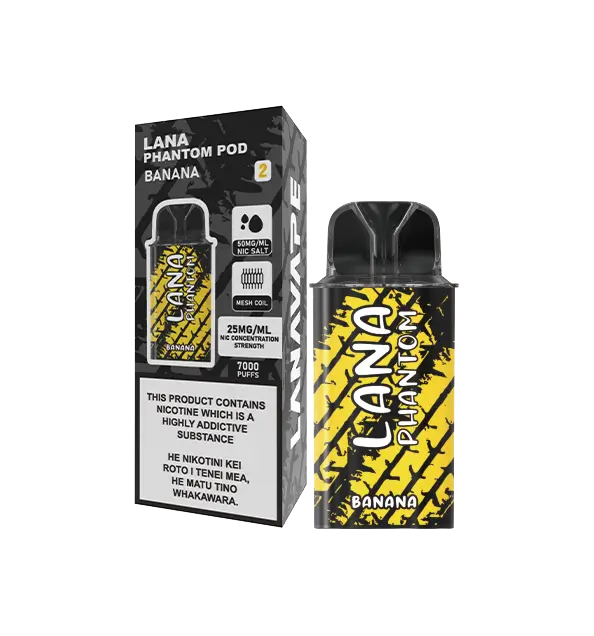
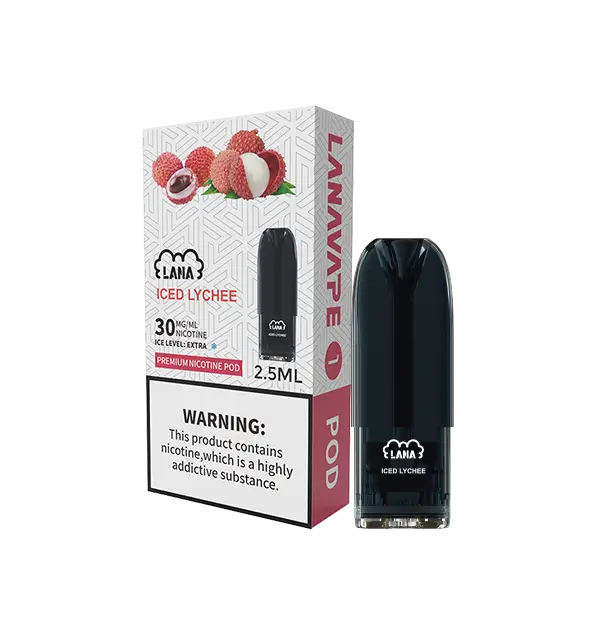
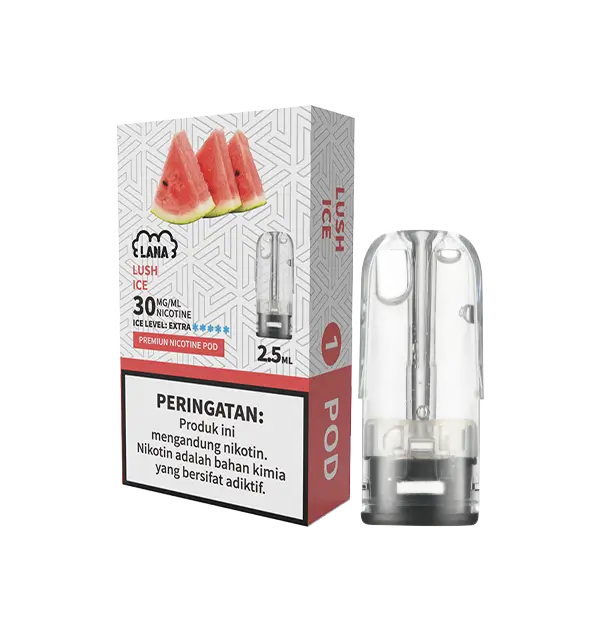
30mg to 50mg is the high-strength end of vaping. You’ll see it mostly in disposable vapes and some nicotine salt e-liquids.
This range is usually aimed at people who are used to more nicotine — for example, heavier smokers or users who want fewer puffs to feel satisfied. It can hit quickly, so you may not need to vape as often.
But high strength is not beginner-friendly for everyone.
If you only smoke occasionally, have a low nicotine tolerance, or get lightheaded easily, 30mg to 50mg may feel like too much. The flavor can also feel less pleasant when the nicotine is overpowering the whole vape.
Why Choosing the Right Nicotine Strength Matters
The wrong nicotine strength can ruin the whole vape experience.
If the strength is too low, you may keep puffing and still feel like something is missing. That usually leads to chain vaping. For someone who used to smoke, it can also make vaping feel unsatisfying from the start.
If the strength is too high, the experience can go bad quickly. Harsh throat hit, dizziness, nausea, a heavy nicotine rush — none of that feels good, especially if you’re new to vaping.
You’re not trying to find the strongest option. You’re trying to find the level that gives you enough nicotine without making every puff feel like a fight.
3 Things to Consider When Choosing Nicotine Strength
The ranges above are useful, but they’re only a guide. The best nicotine strength depends on how you actually vape.
1. Your Smoking Habits
Your smoking habits are the first thing to look at.
Think about how often you usually want nicotine. Do you smoke a few cigarettes a day, or closer to a pack? Do you feel satisfied for hours, or do cravings come back quickly?
People moving from cigarettes sometimes choose a strength that’s too low because they want to “play it safe.” That sounds reasonable, but it can backfire. If the vape feels too weak, you may end up puffing constantly and still not feel satisfied.
Be honest about your nicotine needs first. You can always adjust later.
2. Your Vape Device
Your device changes everything.
The same nicotine strength can feel mild in one setup and overwhelming in another. A small pod system produces less vapor per puff, while a sub-ohm mod can deliver a much bigger inhale. More vapor usually means more nicotine coming in at once.
That’s why DTL devices usually work better with low-strength e-liquid like 3mg or 6mg.
MTL devices, pod systems, and disposable vapes usually pair better with medium or higher nicotine strengths, especially when using nicotine salt.
The common mistake is simple: high nicotine strength plus high power. That combination can hit too hard, too fast.
3. How Much Throat Hit You Like
Throat hit is that little kick you feel at the back of your throat when you take a puff. Some vapers chase it because it reminds them of smoking. Others hate it and want the smoothest inhale possible.
Freebase nicotine usually gives more of that sharp, cigarette-style hit, especially in lower-strength sub-ohm vape juice. A higher-PG e-liquid can also make the throat hit more noticeable.
Menthol flavors can add to the effect too. Not always harsher, but colder and more punchy. That icy feeling can make a vape feel stronger even when the nicotine level is the same.
If you want a smoother inhale, nic salt is usually easier to live with, especially in pod systems and disposable vapes.
Just don’t use throat hit as your only guide. A vape can feel strong in the throat without actually being the right nicotine strength for you.
Finding Your Right Nicotine Strength
There’s no perfect nicotine strength for everyone.
Start with your real habits, not the number that sounds safest or strongest. Then look at your device. A low-wattage pod, a disposable vape, and a sub-ohm mod all deliver nicotine differently.
If your vape feels weak and you keep reaching for it, the strength may be too low.
If it feels harsh, makes you dizzy, or gives you a burning throat, go lower or switch to a better-matched e-liquid type.
Once the nicotine strength, device, and inhale style line up, vaping feels much easier. Smoother, more consistent, and a lot less frustrating.


