











 Back
Back
 Share:


 Back
Share:
Back
Share:


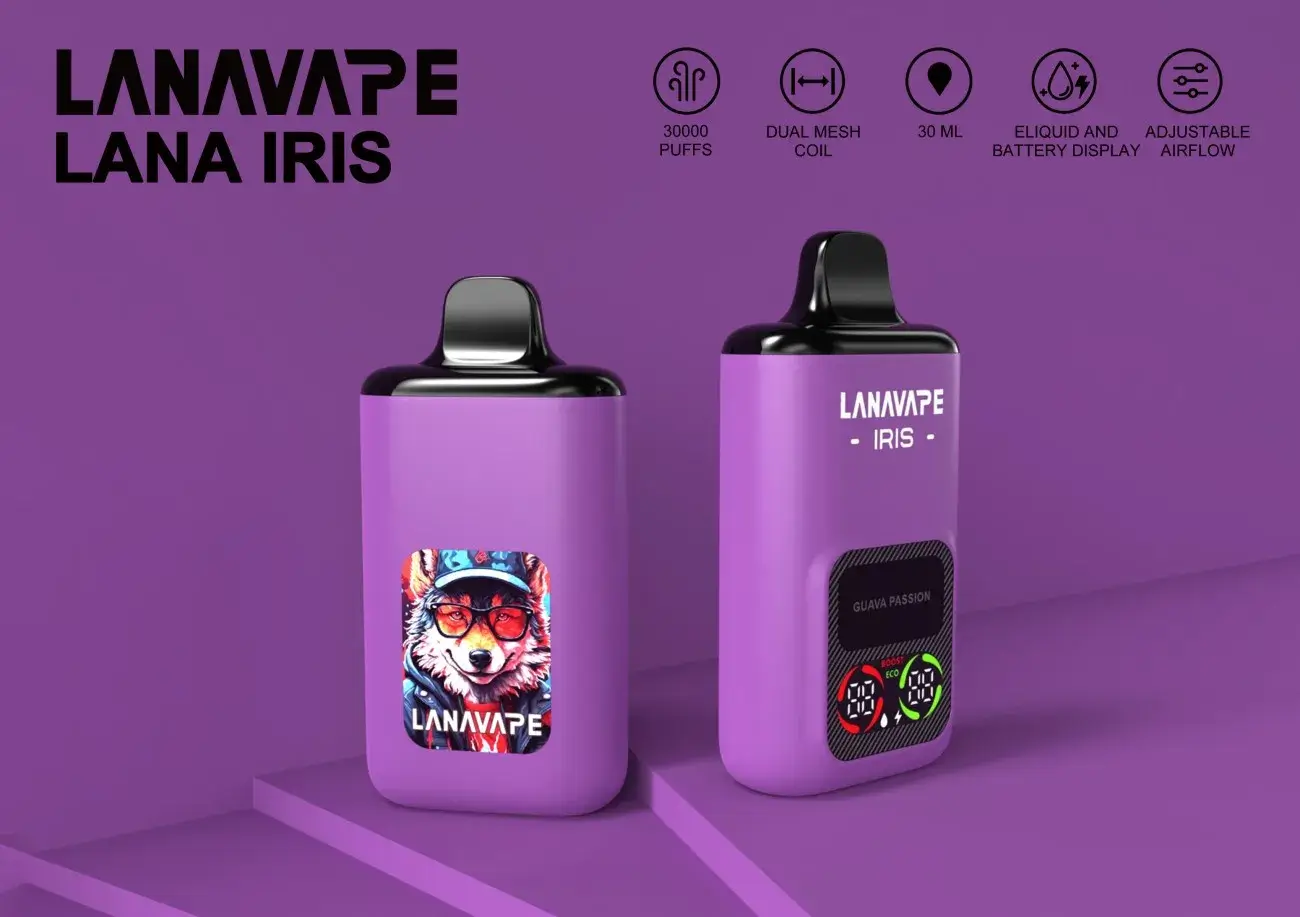
I recent years, Vaping has evolve more popular than ever. When using vapes I hotel rooms, Toilets, or other public indoor spaces, Many people have a real question: can do vaping Set off one smoke Alarm?
This concern is not groundless. In contrast to popular belief, Do not release fumes simple" water vapor," Rather evaporate with it fine particles. Under certain conditions, these particles Can actually be picked up by smoke detectors And the trigger an alarm. However, it depends on whether it happens or not various factors Like device power, method used, and airflow; It will not activate every time.
Then we begin with the explanation the working principle of smoke Alarm, analysis the differences how I different types of alarms Reaction to vapes, and specify which factors are most likely. False triggers in actual use.
Why Does Vaping Set Off Smoke Alarms?
Many people Imagine that vapes It just is" water vapor," But this is not entirely reliable. Vapes release a substance with is called steam fine particles, Which basically it is a cloud Of tiny vapor particles. These particles behave in it. The air in a way It's something like that traditional cigarette smoke.
When these tiny particles go the sensing range of a smoke detector, They can be inappropriate smoke. This applies in particular. Common photoelectric smoke detectors, who decides the presence of fire risk Upon detection the interference Of airborne particles with light. If the concentration of vape vapor In addition, it can easily block the sensor light, dynamic the alarm.
So, although it looks the naked eye Seam a thin mist or vape cloud, He already has characteristics similar To smoke To the detector, which is the fundamental reason why vapes Sometimes errors trigger alarms.
Which Smoke Alarms Detect Vape Smoke?
The answer is not The key I'm lying down the different detection principles of the detectors, And different types Significant different sensitivities To vape vapor.
Photoelectric Smoke Detectors ( mostly Common Type)
This is the highest at the moment. Common type, Widely used in hotels, office buildings, And other similar locations. Its working principle must be established. The scattering of light of airborne particles to decide the presence of smoke.
Vapes production larger vapor particles, And when the concentration is high they Can easily block the sensor light, Being identified as such smoke. Therefore, this type of alarm Easiest to activate vaping.
Ionization Smoke Alarm
Ionization alarms Focuses more on detection. Real smoke Fire and are relative less sensitive To the high- humidity vapor of vapes.
Under normal use, The trigger is less likely. But if it is used continuously a small room, Accumulated vapors may reach. The trigger threshold.
Advanced Smoke Detection systems
These devices I am usually found. High- security locations Like shopping malls and hospitals. They combine. Multiple sensor technologies For a comprehensive review of changes in airborne particles.
Because of their higher sensitivity, Even relatively weak vape vapor Detectable, dynamic the alarm.
In fact, it is not such thing Seam an alarm which is" completely protected against vape triggers." The difference I'm just lying the ease How to activate: photoelectric alarms are the most sensitive, ionization alarms are relatively weak, and modern systems are more comprehensive and strict.
How to Vape Without Setting Off a Smoke Alarm
About a smoke alarm, what is triggered depends mainly on the concentration of vapor in the air, which can be understood through the following key factors:
1. Unit Flow (Steam Output)
High wattage vapes produce denser and more concentrated vapor, making it easier to reach the alarm's trigger threshold in a short time.
Low current devices are relatively less likely to activate an alarm.
2. Frequency and Method of Use
Chain vaping or taking big hits causes rapid vapor accumulation in a local space.
Intermittent use and reducing continuous output can reduce the concentration of particles to some extent.
3. Atmosphere (Air Flow)
In small rooms or areas with poor ventilation, vapors do not disperse easily and are more likely to accumulate.
Good airflow accelerates diffusion and reduces the probability of activation.
4. Alarm Type and Sensitivity
Different types of smoke alarms react significantly differently to vaping.
Higher-sensitivity devices can even detect small amounts of vapor.
Important Note
This must be emphasized: the above methods basically only minimize the risk and cannot avoid activation altogether.
Especially with high-sensitivity alarm systems, even under seemingly ideal conditions, triggering may still occur.
Therefore, a safer approach is to choose allowed areas, vape outside, or use designated spaces to avoid unnecessary risks at the source.
Conclusion
Generally, vapes Not always set of smoke Alarm, though under certain conditions, They can be activated. For sample the probability When triggering increases significantly. The vapor concentration is high the device power is high, or it is used in a poorly ventilated area small room.
To most users, Instead of worrying about escaping the setting off Alarm, it is more convenient to focus on it. The usage scenario. To choose appropriate environments to vaping It is not only safe but also avoidable. Unnecessary trouble.


